Interstate Load Relocation: Moving Your Load Through Australian States
Moving something big across a state line isn't like moving it across town. The distance is easy part. What actually trips people up is everything that changes the moment you cross from Queensland into New South Wales, or further south still - different permit rules, different escort requirements, sometimes even different biosecurity checks depending on what's strapped to the trailer.
If you've searched “interstate moving companies” hoping to relocate a boat, shipping container, or piece of machinery, you've probably noticed most results are built for house removals, not for loads like these. Brisbane Towing and Recovery has written today's blog specifically for the other kind of move.
Why Interstate Load Relocation Isn't Just "A Longer Tow"
A local tow is governed by one set of state road rules - start to finish. An interstate move can cross through several. And each jurisdiction has its own take on dimension limits, curfews, and escort conditions. Even where a national framework exists to tie them together.
- Width, height, and length thresholds for what counts as an "oversize" load aren't identical everywhere
- Some states require route pre-approval through specific corridors or around metro curfew windows
- Pilot and escort vehicle accreditation rules vary by state, and not every accreditation transfers automatically across borders
- Biosecurity checks can apply to loads that wouldn't raise an eyebrow within a single state
None of this is designed to be difficult on purpose - it's just what happens when eight jurisdictions each maintain their own transport authority.
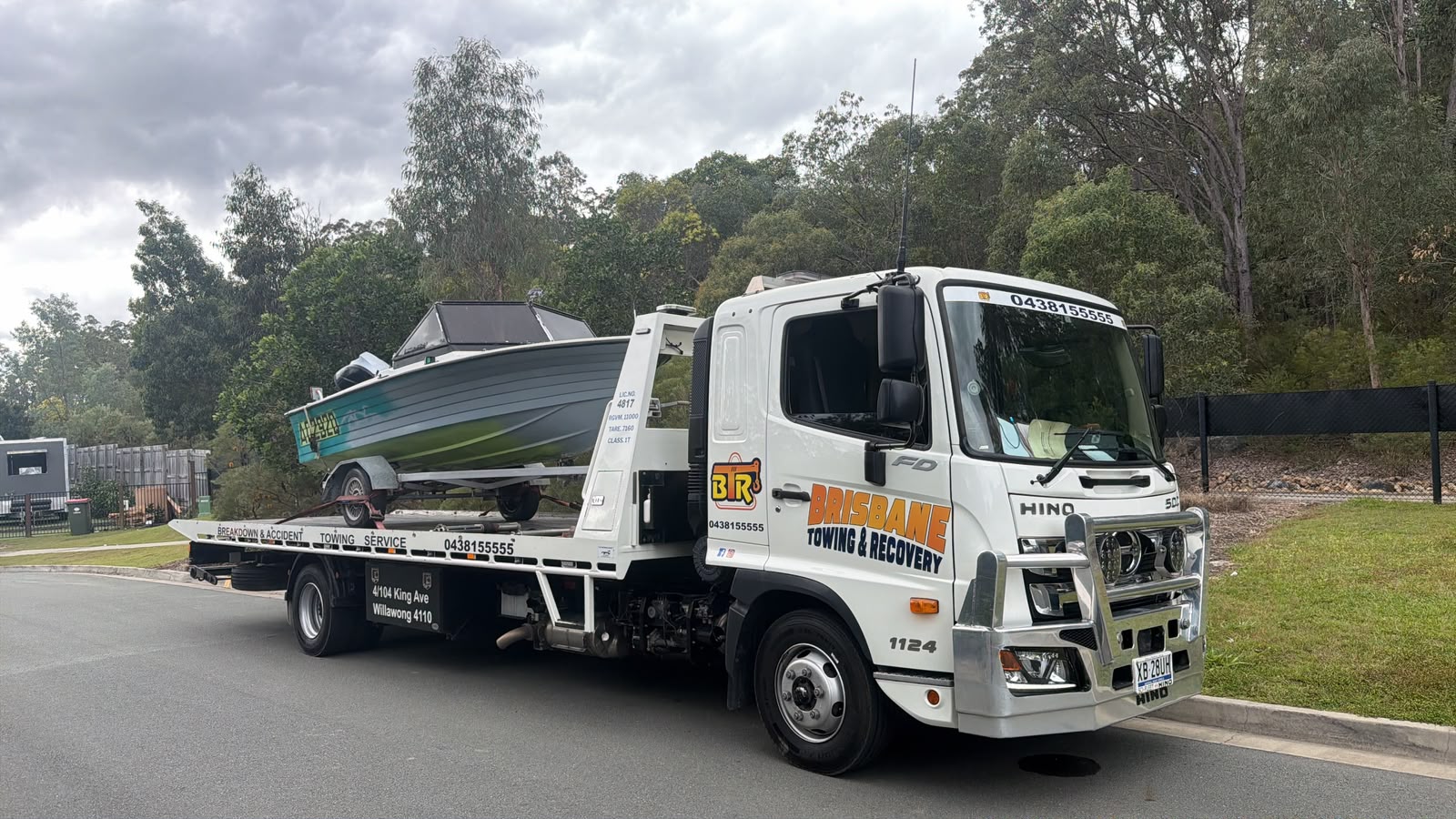
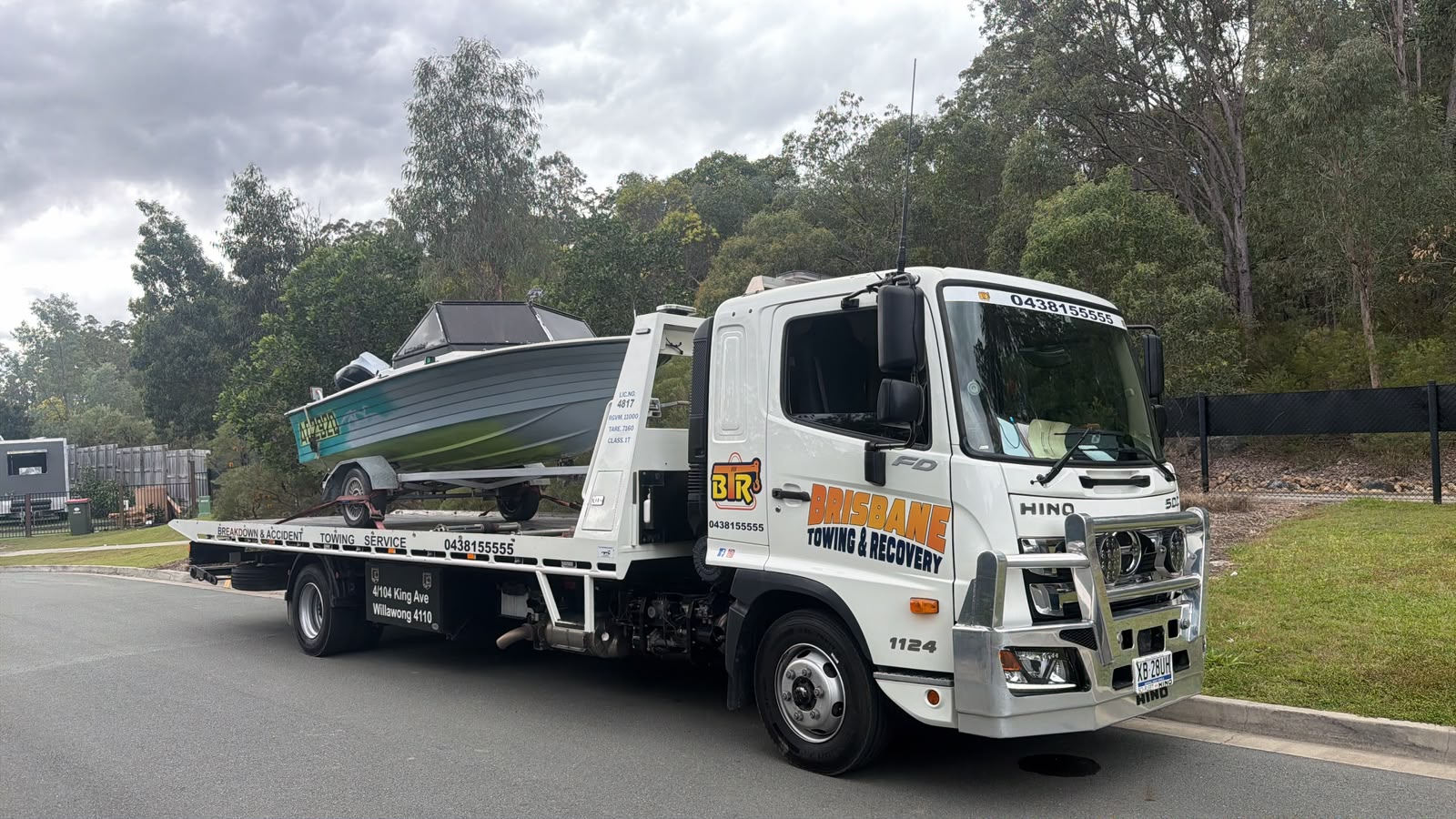
Moving a Boat Interstate: What Actually Changes
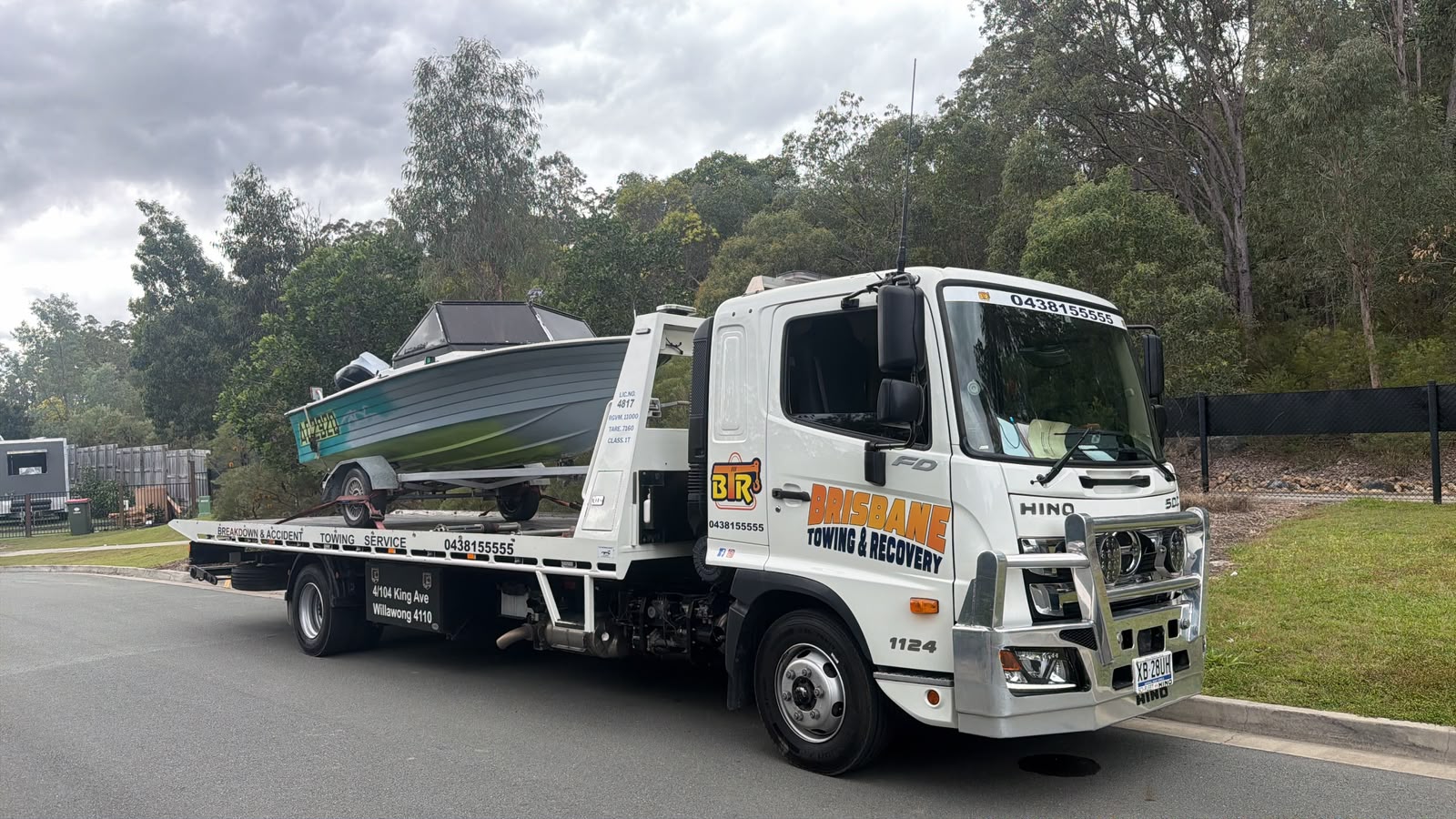
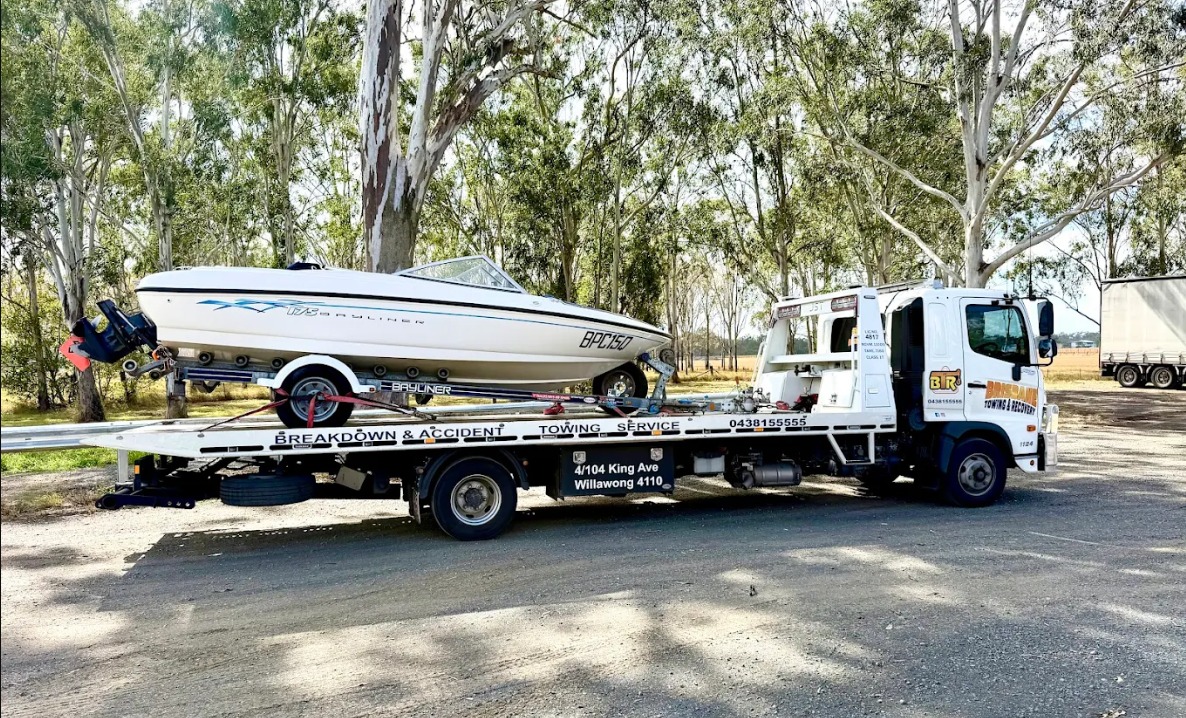
Boats are deceptively easy to underestimate. A boat and trailer combination under 2.5 metres wide is standard transport almost anywhere in the country. No special permit, no restricted hours. The moment it goes over that width, it's reclassified as an oversize load, and completely different set of rules kicks in: warning signage, possible pilot vehicle requirements, and permit that has to cover the entire route. Not just the first state it crosses.
There's a second, less obvious issue with boats specifically: biosecurity. Hulls, trailers, and bilges can carry aquatic weeds, mud, or pest species that some states actively screen for at their border, particularly moving into or through areas trying to stay free of specific freshwater pests. According to Department of Agriculture, Fisheries and Forestry, interstate biosecurity zones exist specifically to stop pests and diseases spreading between states, and failing to check what's attached to your load before crossing a border can mean fines or having items refused at the checkpoint. For a boat that's been sitting in the water for a season, that's worth checking before it goes on the road, not after.
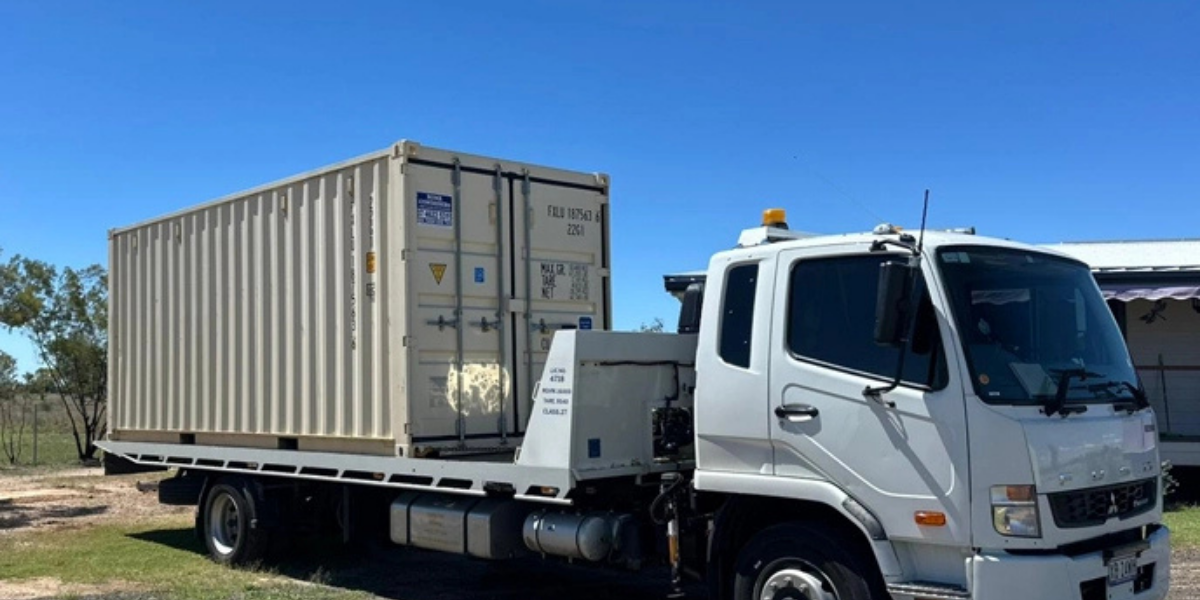
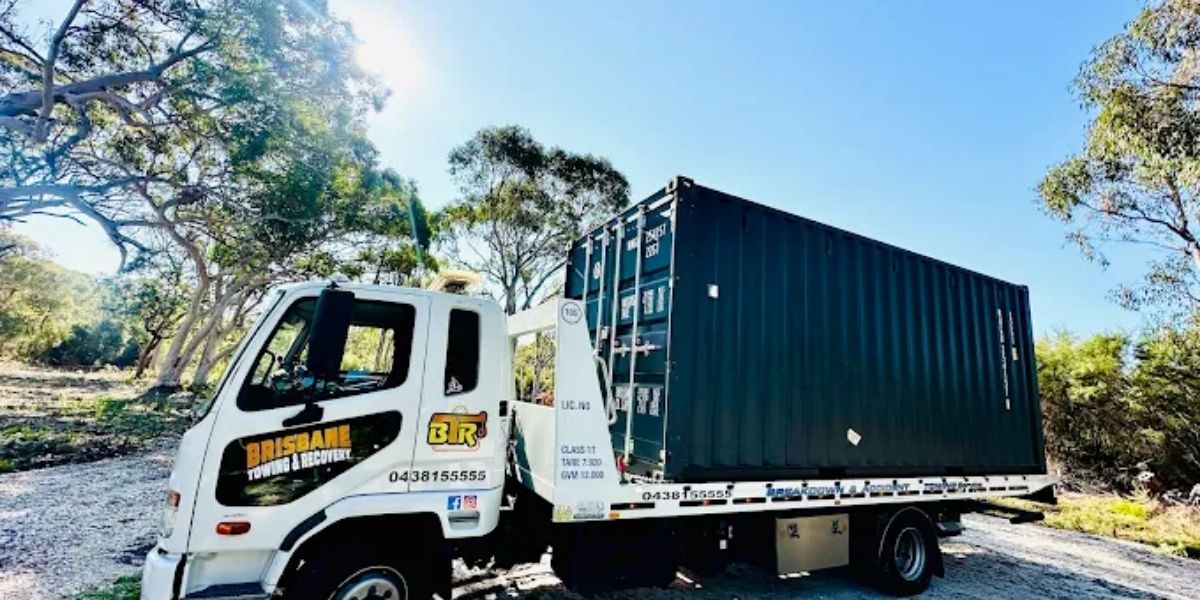
Moving a Container Interstate: Where the Complexity Actually Sits
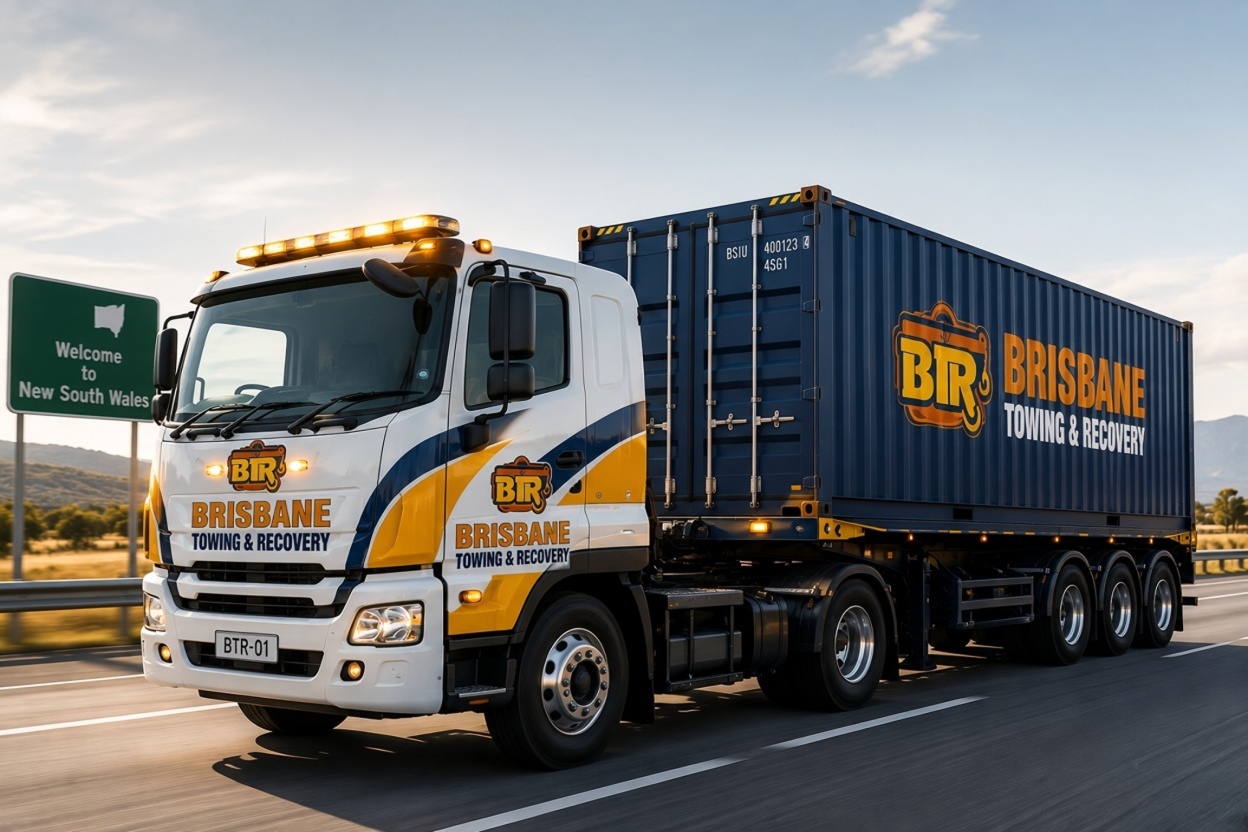
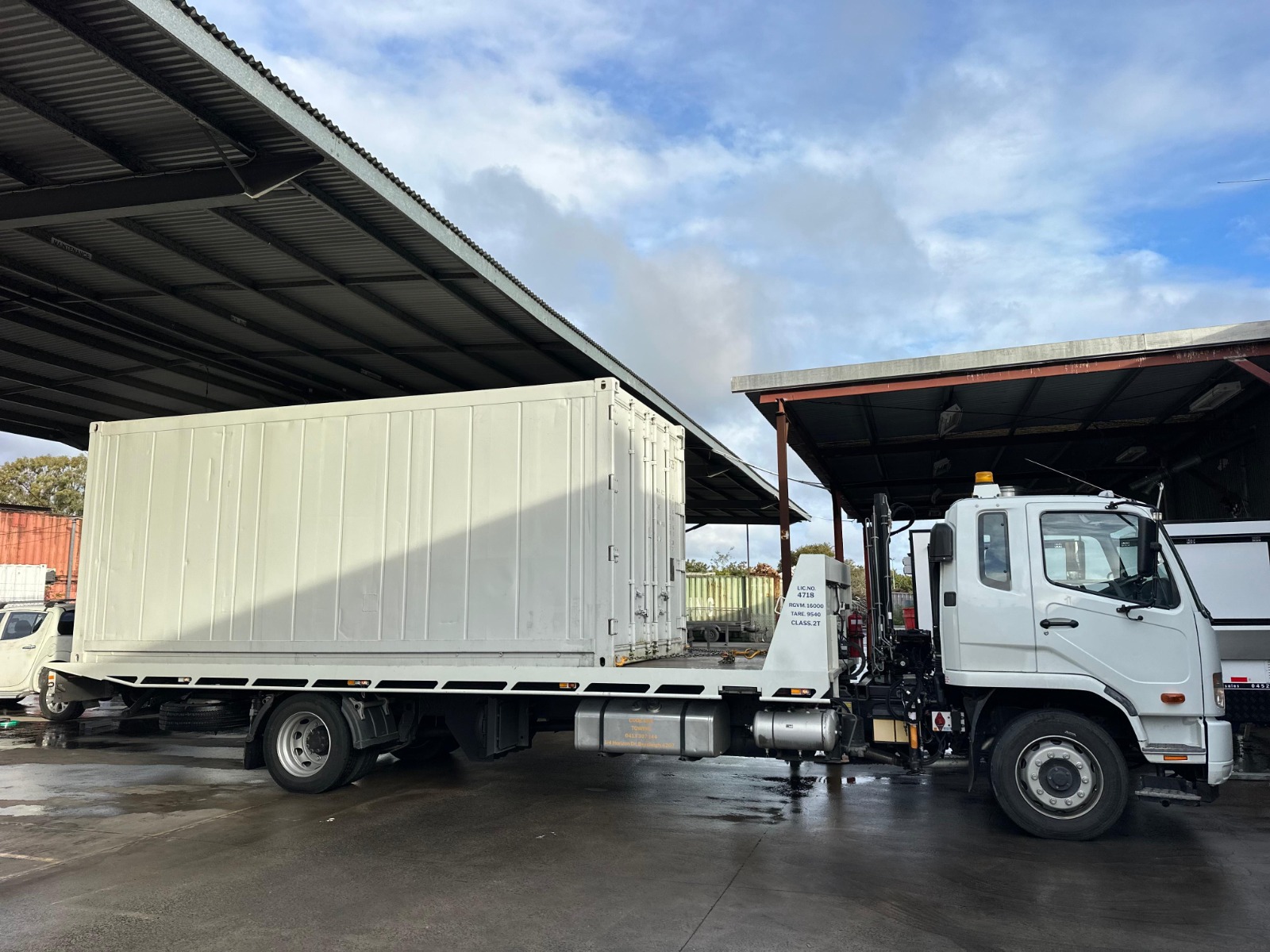
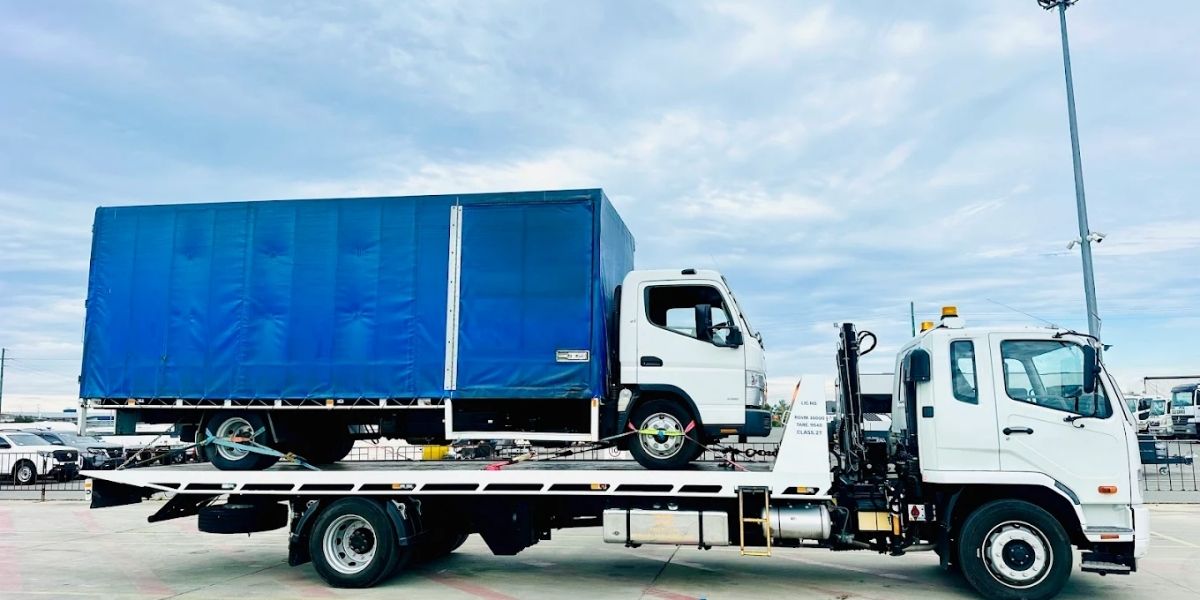
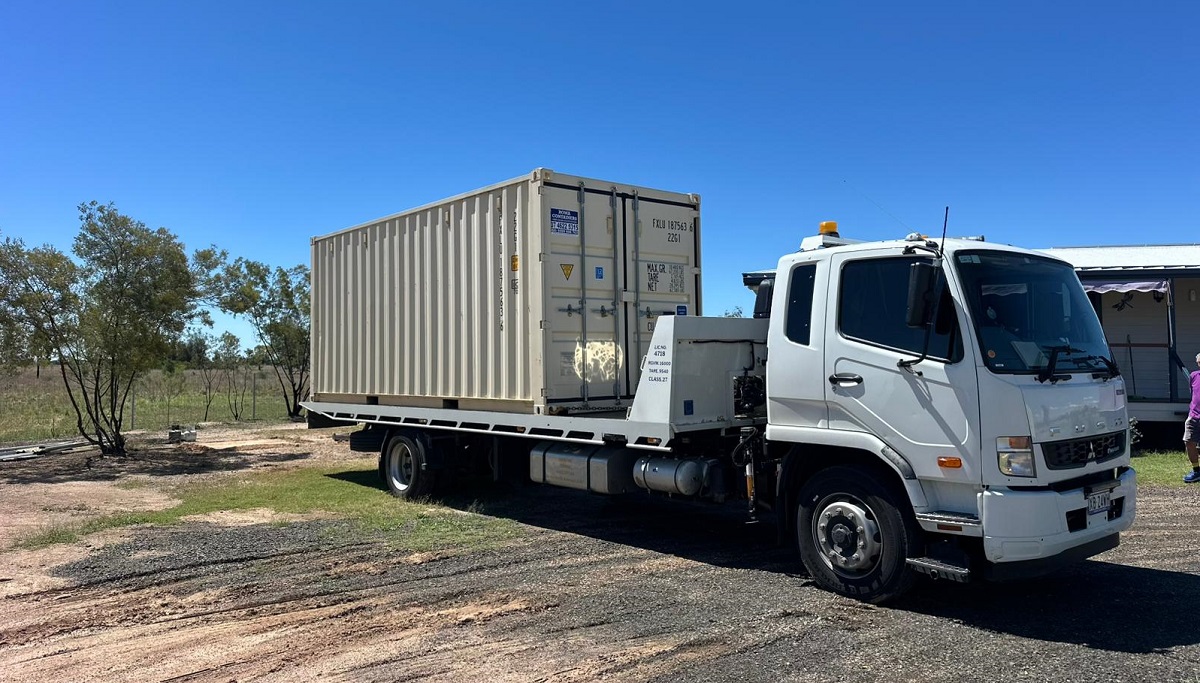
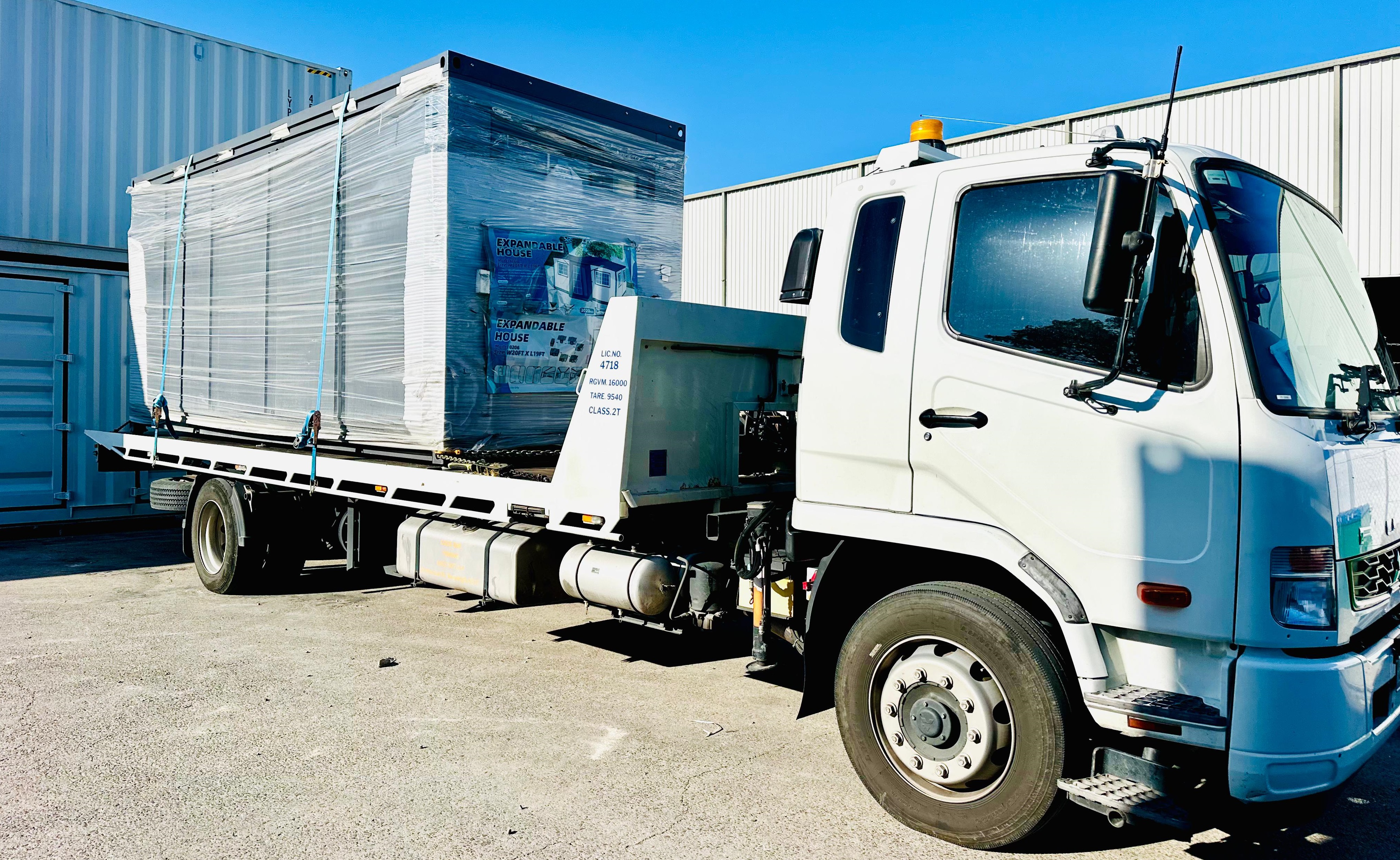
Shipping containers rarely trigger the same oversize classification a boat does - a standard 20 or 40-foot container sits within normal road transport dimensions once it's loaded correctly. Where containers get complicated is securing and weight distribution:
- Twist-lock securing has to be rated correctly for the container's loaded weight, not just its empty tare weight
- Uneven load distribution inside the container can shift the effective centre of gravity enough to affect handling on long hauls
- Overweight containers move into the same permit territory as any other overmass load, regardless of their standard footprint
Get the load plan wrong at the origin, and it's a problem that shows up hundreds of kilometres later, not at the loading dock.
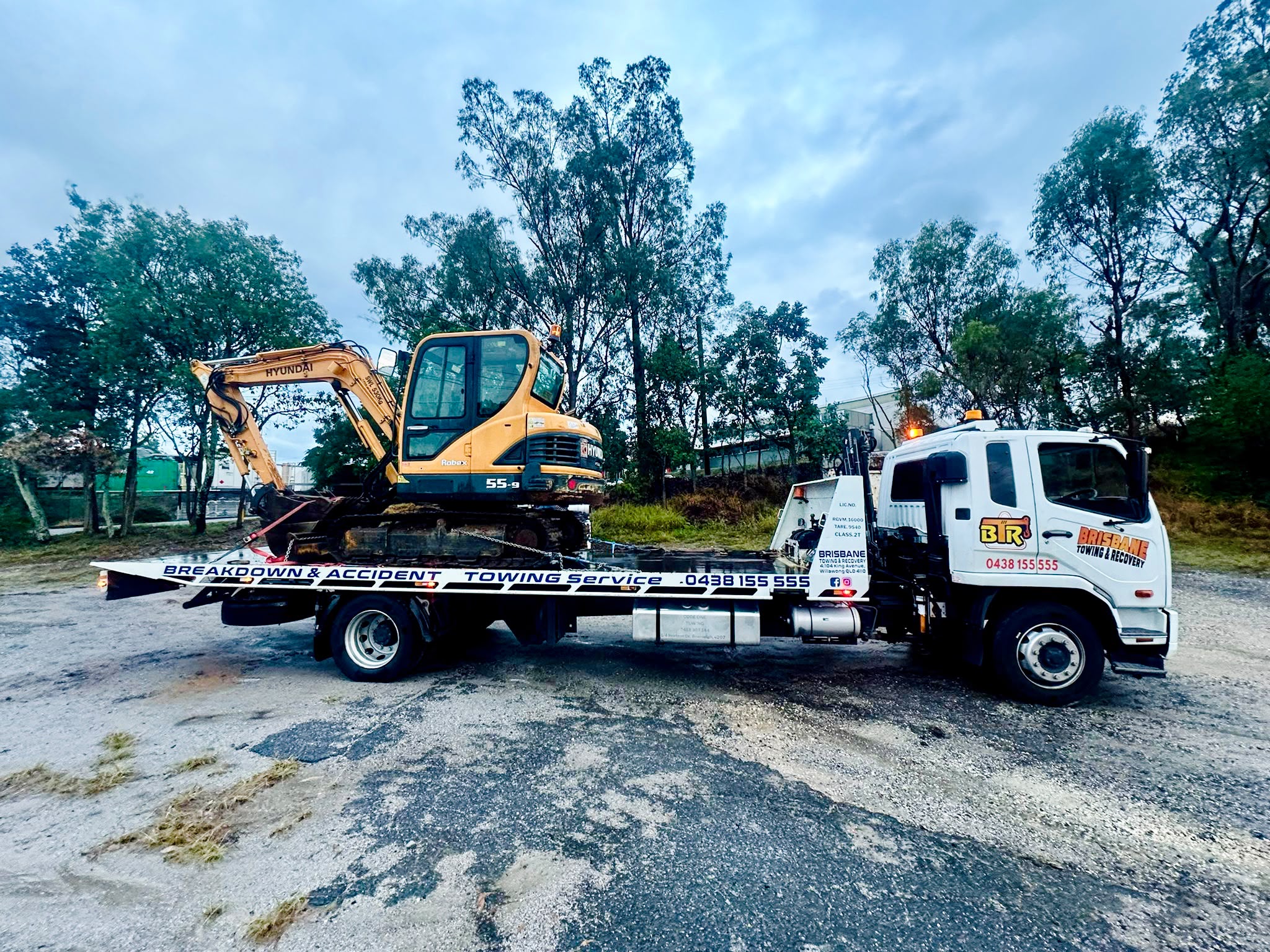
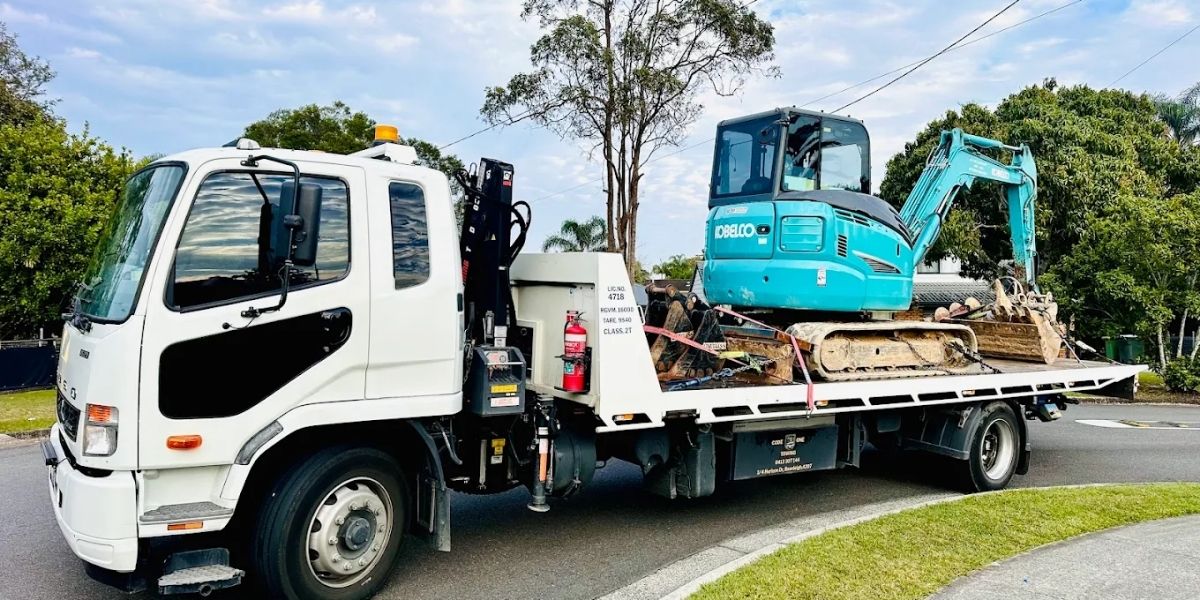
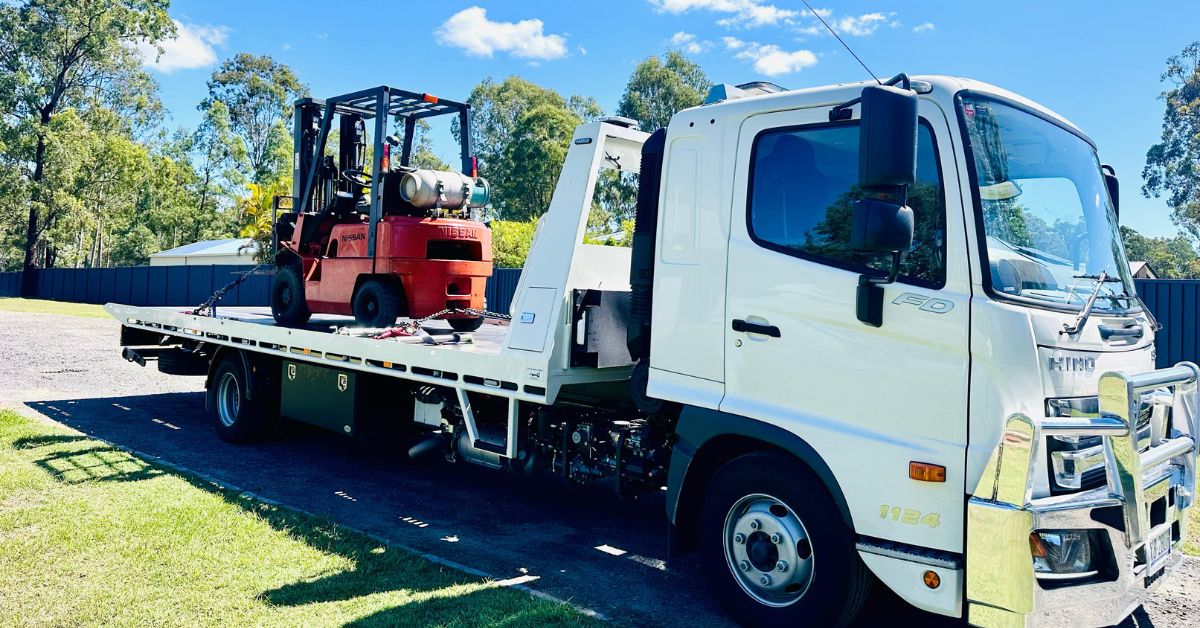
Machinery and Equipment: The Permit-Heaviest Category
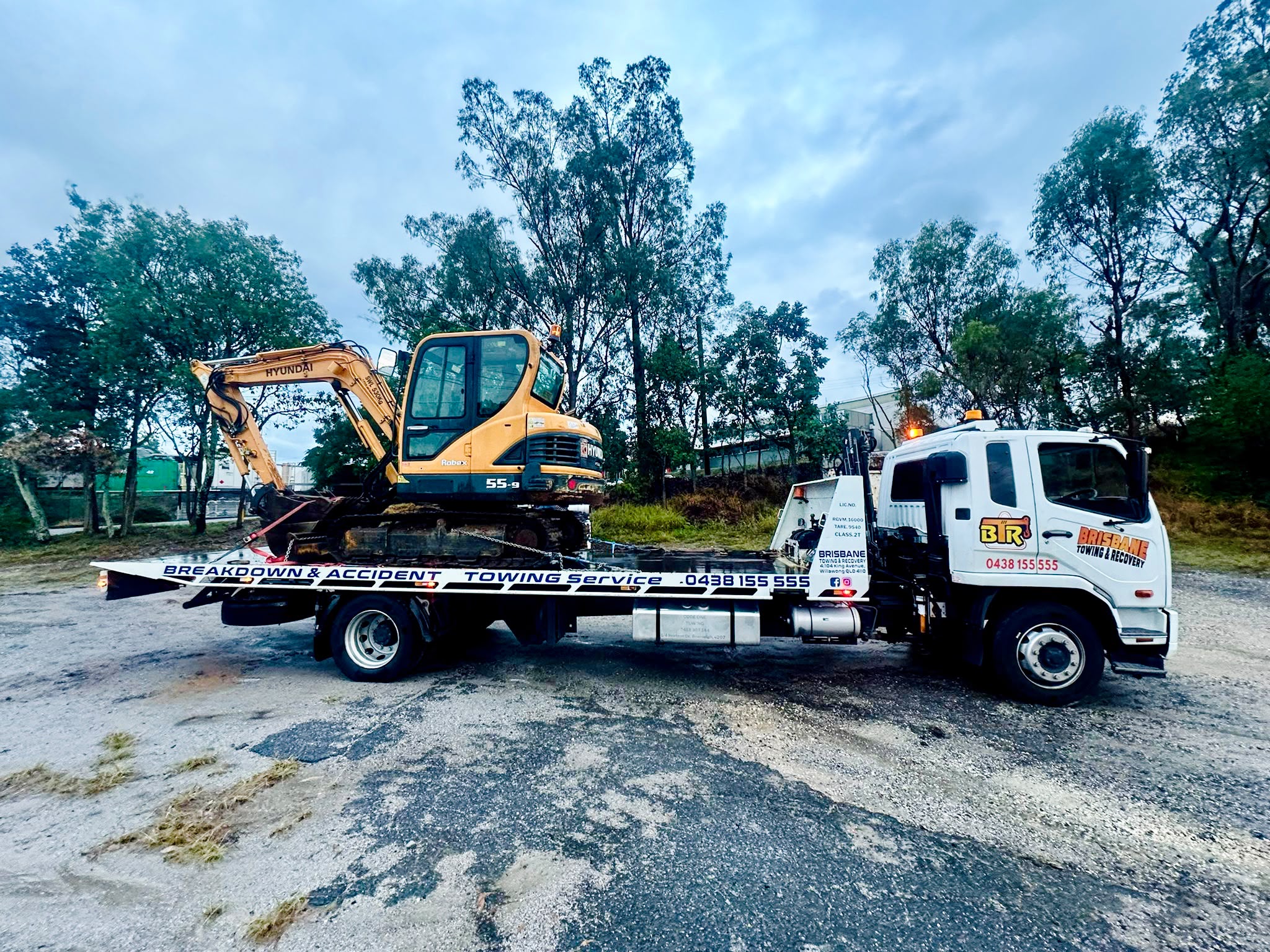
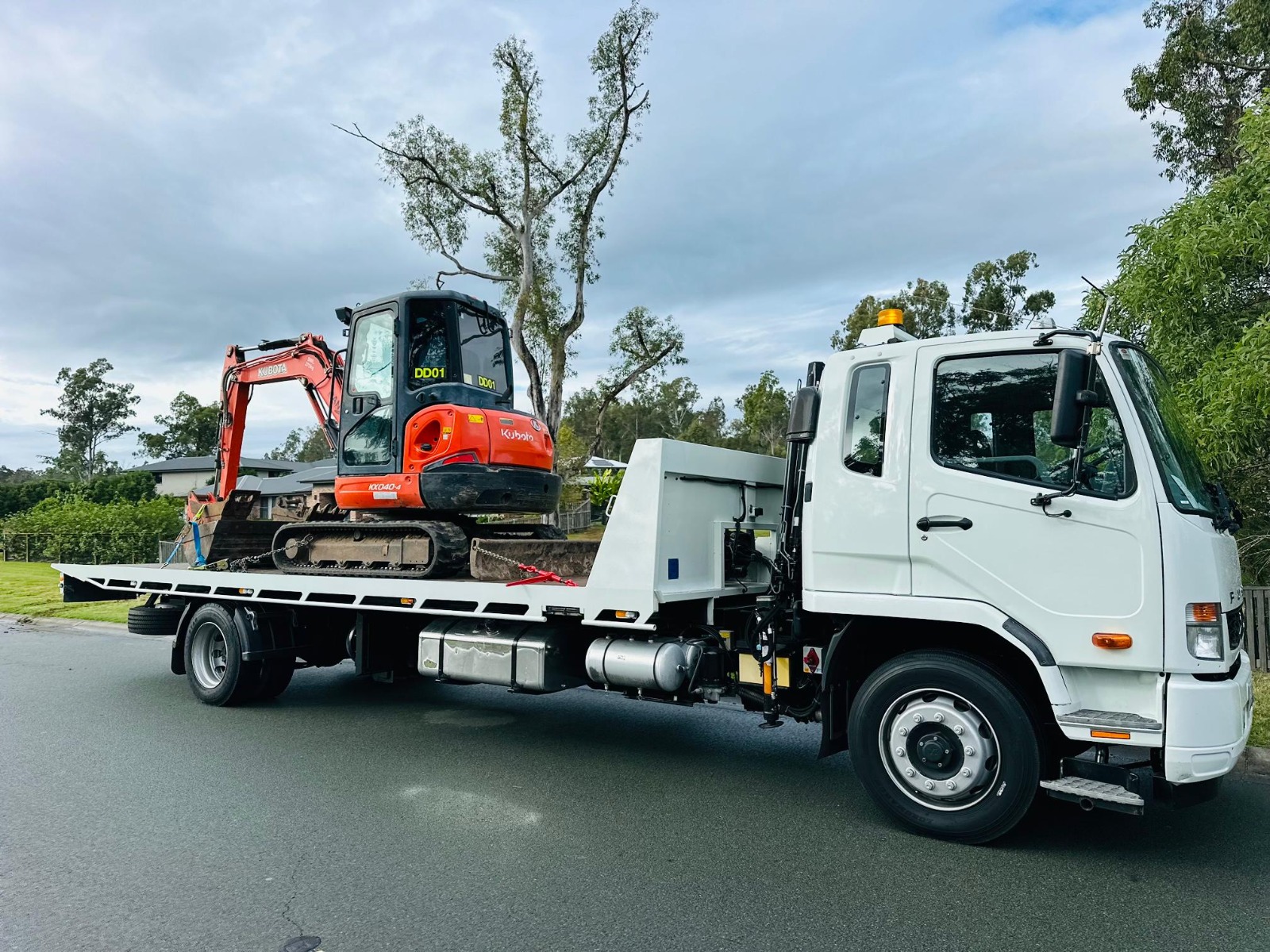
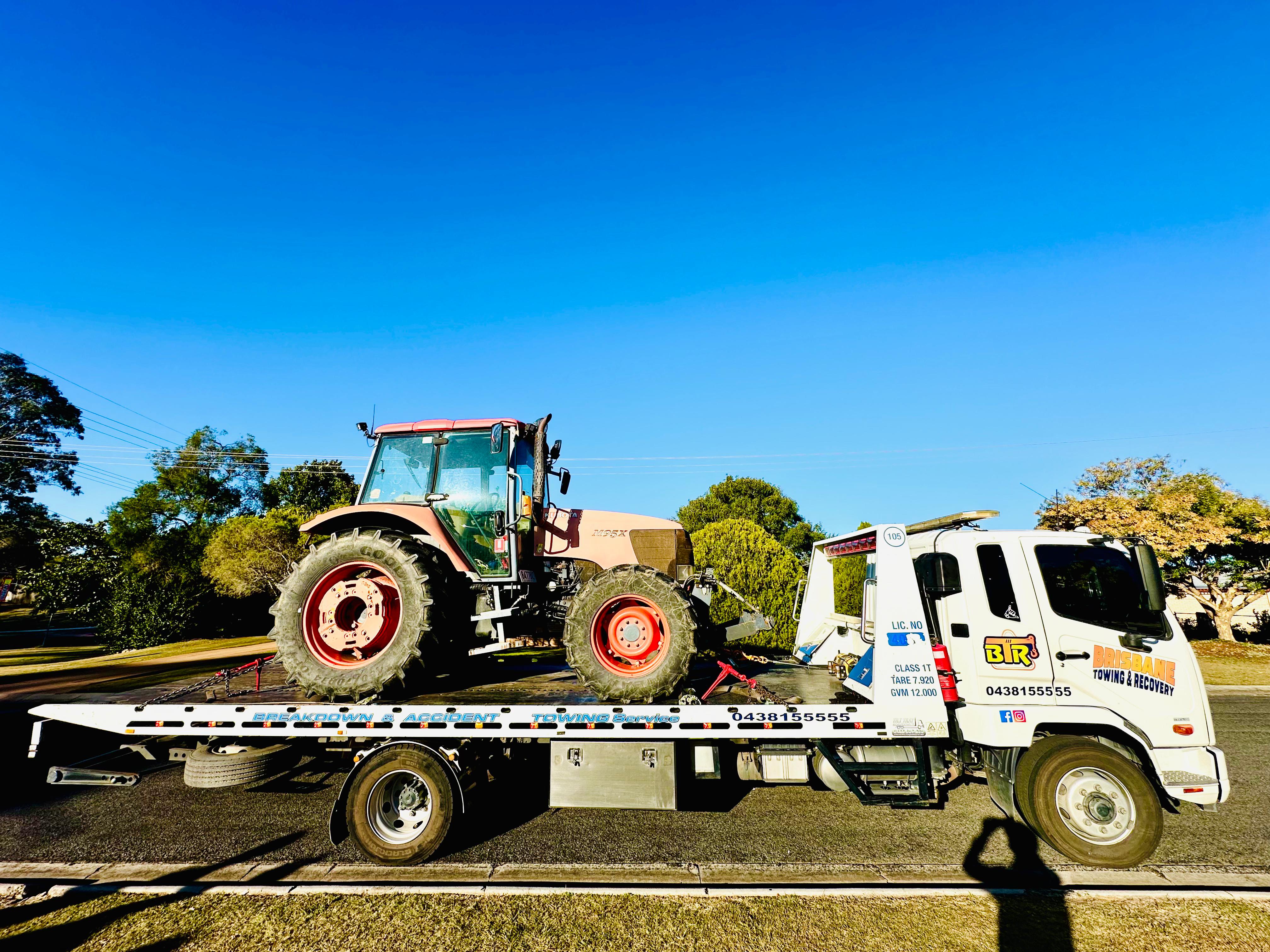
Of everything covered here, oversize machinery is where interstate rules bite hardest — mobile cranes, excavators, and large agricultural equipment are frequently indivisible loads, meaning they can't be broken down to fit standard dimensions. The National Heavy Vehicle Regulator is the primary body issuing permits for this category across most states and territories, though Western Australia and the Northern Territory still run their own separate permit systems outside the national framework. A load that clears every requirement in Queensland can still need a fresh look the moment it's bound for a jurisdiction the national permit doesn't cover.
Don't forget to check out these resources as well:
20 ft vs 40 ft container transport
Long-distance towing pricing in Brisbane
Learn how much towing a caravan costs
What Genuinely Interstate-Capable Operator Actually Handles
A tow or transport operator who's only ever worked within one state's rules is the wrong choice for a load crossing borders. What actually matters:
- Familiarity with the specific corridor being travelled, not just general interstate experience
- Established relationships with accredited pilot and escort providers where the load requires one
- A load plan built around the destination state's rules, not just the origin state's
- A contingency plan for the unexpected. Because breakdowns don't stop for state lines either, which is exactly the scenario we walk through in our truck breakdown checklist
It's the same regulatory-awareness mindset we cover in our piece on caravan towing laws in Queensland - knowing the rules before you're on the road, not finding out at a checkpoint.
Where Brisbane Towing And Recovery Fits In
This is exactly the kind of move Brisbane Towing and Recovery handles regularly across Queensland, New South Wales, and neighbouring regions. Whether it's about container towing in Brisbane, a boat towing Brisbane, machinery towing Brisbane, or a full long-distance interstate transport job, our team handles the load plan, permit conversation, and route itself - insured, and built around the destination state's rules, not just the ones where the trip starts.
Frequently Asked Questions
1. Do I need a special permit to move a boat interstate?
Only if your boat and trailer combined exceed 2.5 metres in width - under that, it's standard transport with no special permit required.
2. Is a shipping container considered an oversize load?
Usually not, provided it's within standard road dimensions and correctly loaded - the real risk with containers is overweight or unevenly distributed cargo, which can trigger permit requirements separately from size.
3. Why do biosecurity checks apply to boats moving interstate?
Hulls, trailers, and bilges can carry aquatic weeds or pest species, and some states actively screen for these at their borders to protect local waterways.
4. Does an NHVR permit cover every Australian state?
It covers most states and territories through a single application, but Western Australia and the Northern Territory operate their own separate permit systems outside the NHVR framework.
5. What triggers the need for a pilot or escort vehicle?
Requirements vary by state and load dimensions, but generally kick in once a load exceeds set width or length thresholds. Your specific permit will confirm what's required for your route.
6. Can any tow operator legally handle an interstate move?
Only if they're familiar with the destination state's rules and have access to accredited pilot/escort providers where needed. General interstate experience alone doesn't guarantee coverage of every jurisdiction's requirements.
7. How far in advance should I book an interstate load relocation?
Permit processing and pilot vehicle coordination both take lead time, so booking at least several days ahead is strongly recommended for anything oversize.
8. Does BTR handle moves outside Queensland?
Yes. BTR covers Queensland, New South Wales, and neighbouring regions for interstate load relocation.
Interstate Load Relocation: Where This Leaves You
Moving a boat, container, or machine interstate isn't complicated because the distance is long. It's complicated because the rules change under your wheels somewhere along the way. Getting the permits, the escort requirements, and the biosecurity checks sorted before you leave is what separates a smooth interstate move from one that gets stopped at a checkpoint three states from home.
Got a load that needs to cross a border? Call BTR on 0438 155 555. We'll sort the permits, the route, and the rest.
Related Blogs

11 Feb 2026
5 4WD Trails and Tracks in Brisbane Region

15 Jan 2026
What Are the Signs Your Vehicle Needs Towing?
12 Jan 2026
Winter Towing Guide: 12 Tips to Get Season Ready

31 Dec 2025
Vehicles That Can Be Flat Towed: Complete List
26 Dec 2025
Boat Hauling in Brisbane: 8 Things to Avoid
12 Dec 2025
12 Common Breakdown Spots in Brisbane
14 Nov 2025
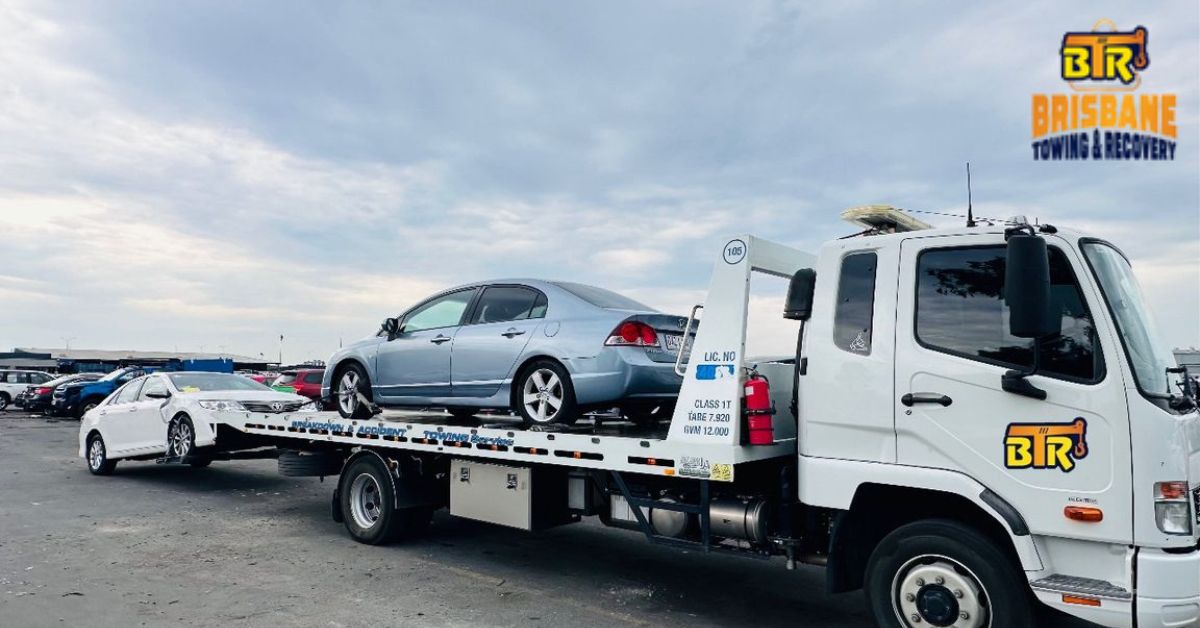
10 Ways Flatbed Tow Trucks Protect Your Vehicle
14 Nov 2025
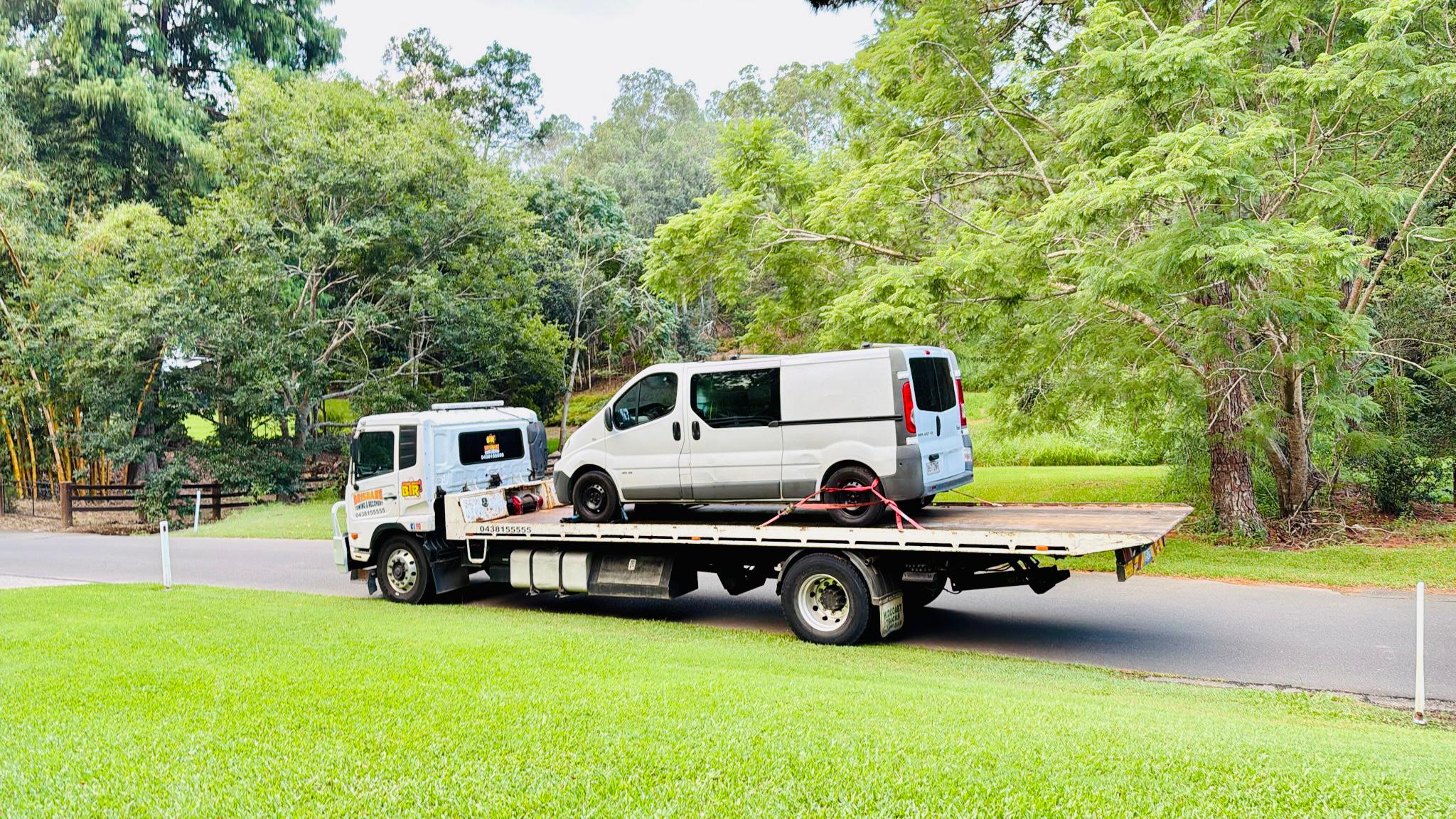
Camper Towing: 15 Things to Keep in Mind
12 Nov 2025
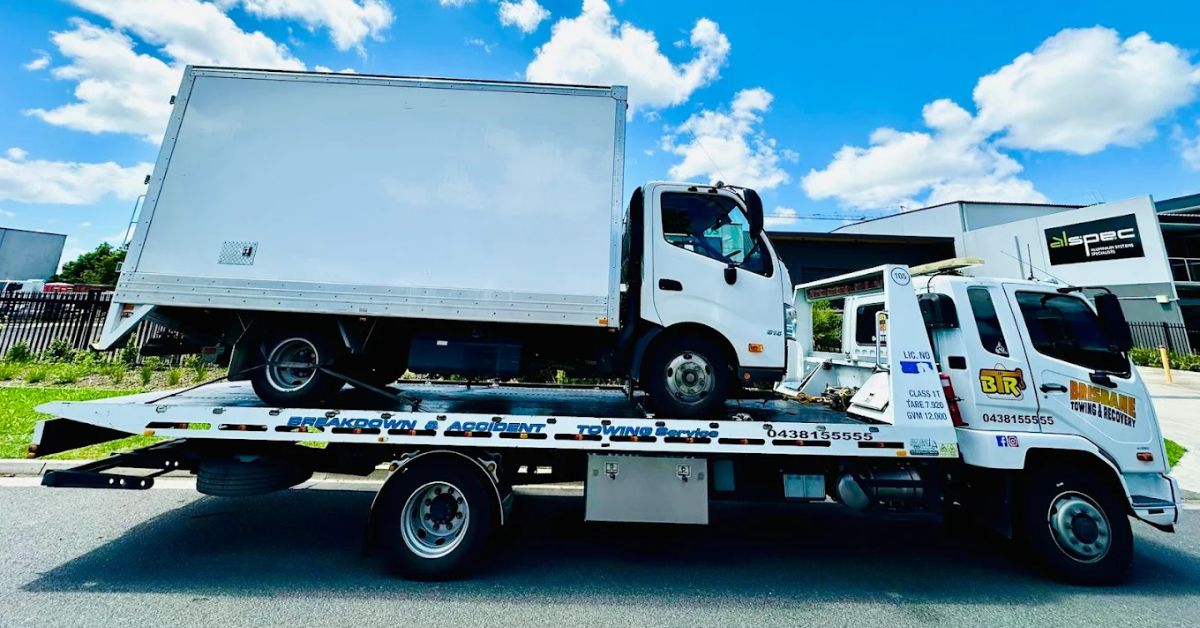
10 Car Towing Tips to Avoid Accidents in 2025
12 Nov 2025
Types of Tow Trucks: Everything You Need to Know
12 Nov 2025
Tow Truck Safety Features You Must Know About

11 Nov 2025