20ft vs 40ft Container Transport: Equipment & Truck Requirements
Not all shipping containers are created equal, and neither is the equipment needed to move them. A 20ft container and a 40ft container might look like simple boxes on paper, but the moment you're planning a transport job, the differences in weight, length, and loading method change everything about how the move gets done.
Builders, logistics managers, and storage container renters across Brisbane often assume any tow truck with a trailer can handle the job. That assumption is where delays, damaged goods, and blown budgets usually start. At Brisbane Towing and Recovery, we've moved containers of every size across Southeast Queensland, and we know exactly which setup suits which job.
In this guide, we'll break down the equipment and truck requirements for 20ft versus 40ft container transport, so you know what to expect and what to ask before booking.
Here's what we'll cover:
- Side-loader, tilt-tray, and flatbed trailers and when each is used
- Weight and dimension differences between 20ft and 40ft containers
- How site access affects your equipment choice
- Questions to ask before booking your container move
- Why matching the right truck to the container size matters
Truck and Trailer Requirements for Container Transport
The type of container you're moving determines the type of truck you need. Here's what typically comes into play.
1. Side-Loader Trailers
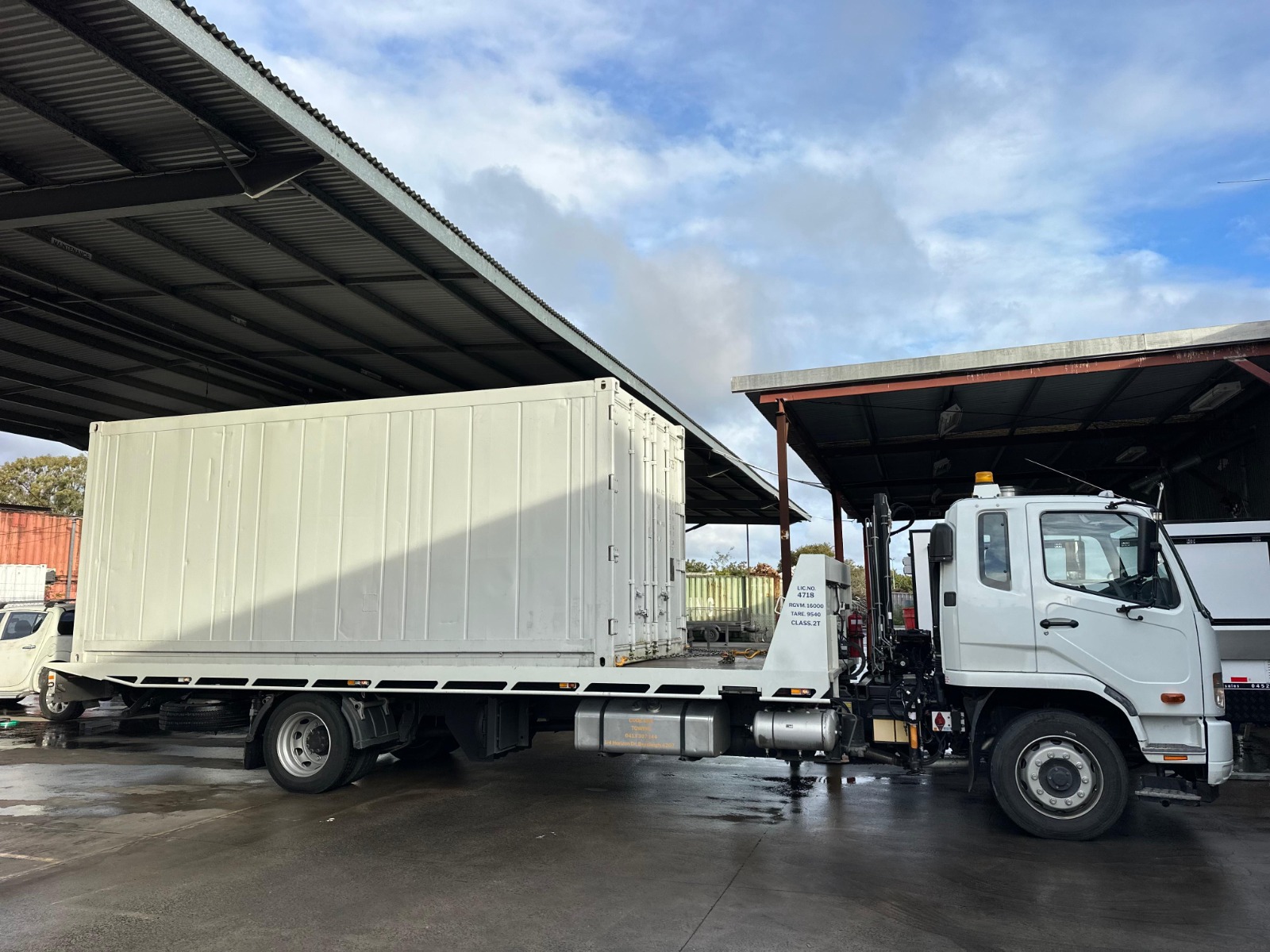
Side-loaders use hydraulic arms to lift a container directly off the ground without needing a crane. They work well for both 20ft and 40ft containers, particularly on sites with limited space where a crane truck can't manoeuvre. The trade-off is that the ground needs to be reasonably level and firm, since the lifting arms rely on stable footing.
2. Tilt-Tray Trailers
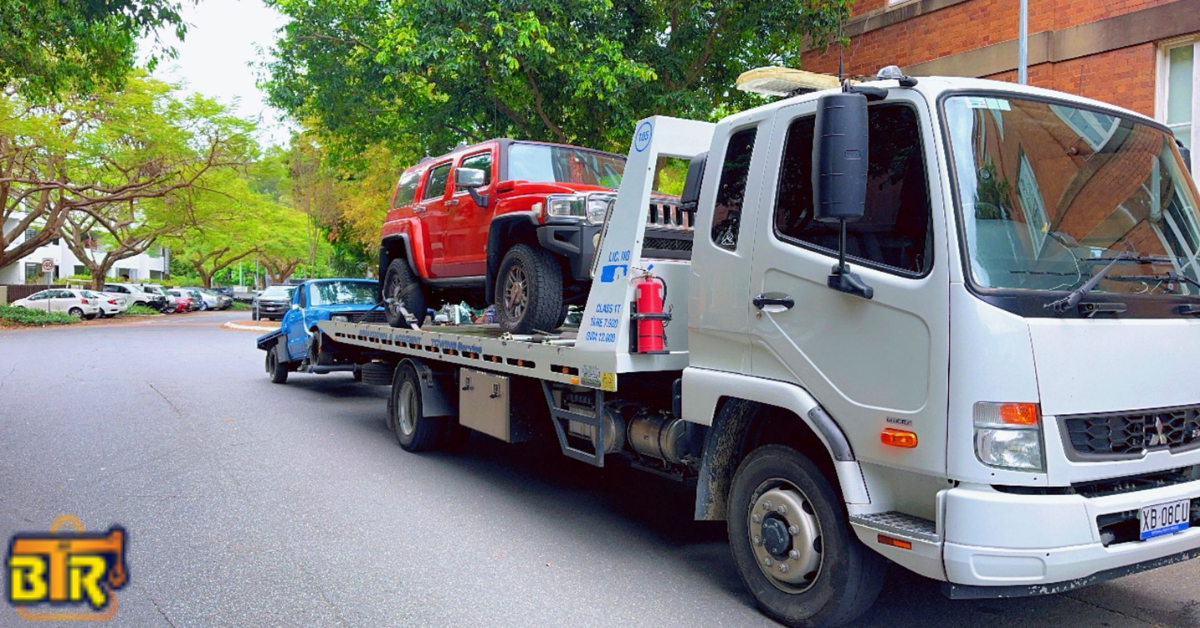
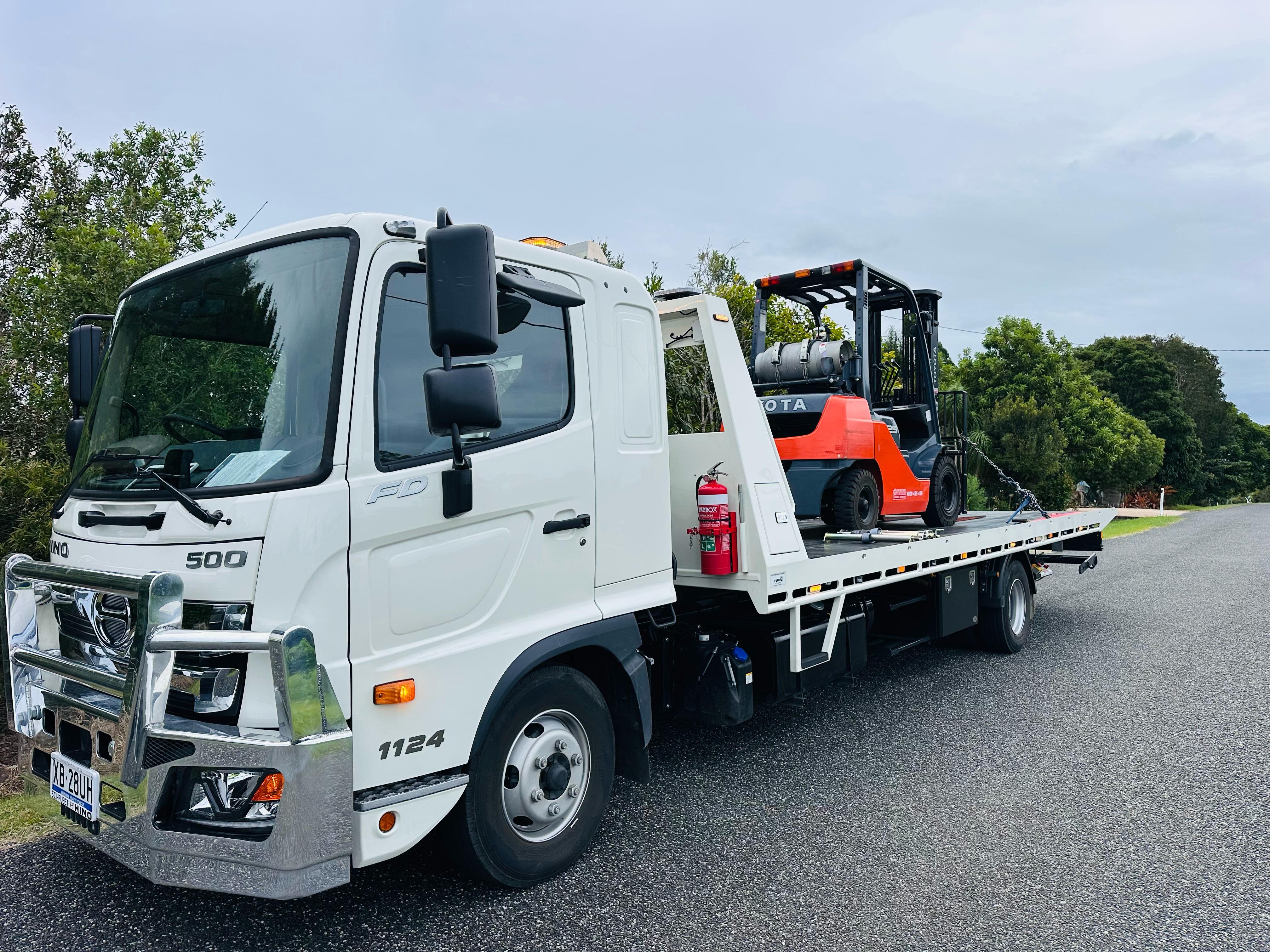
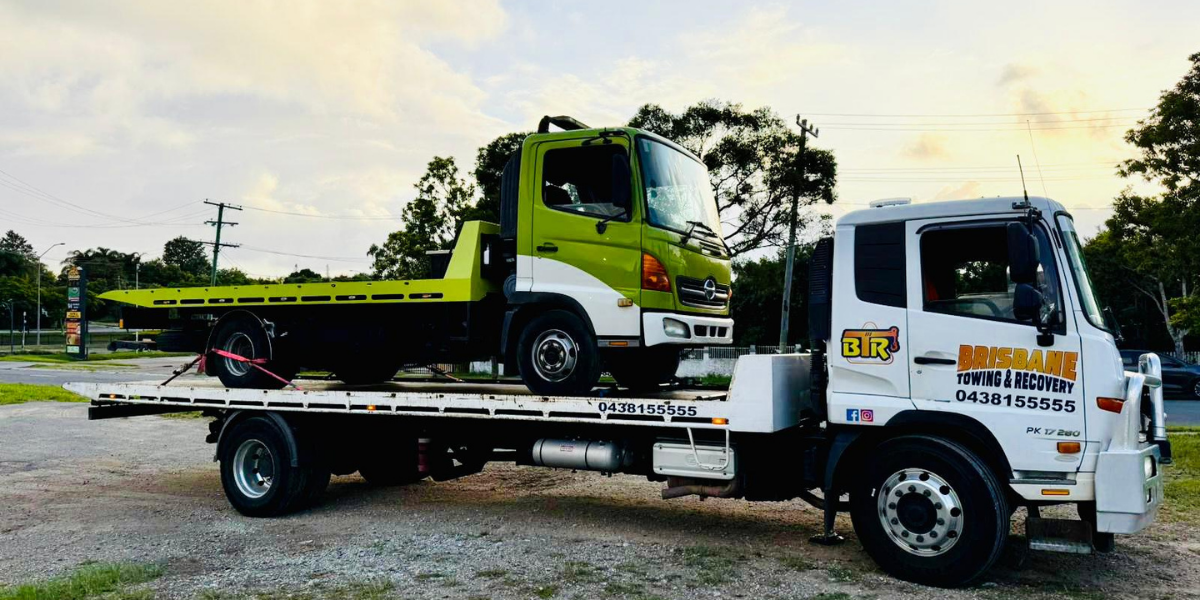
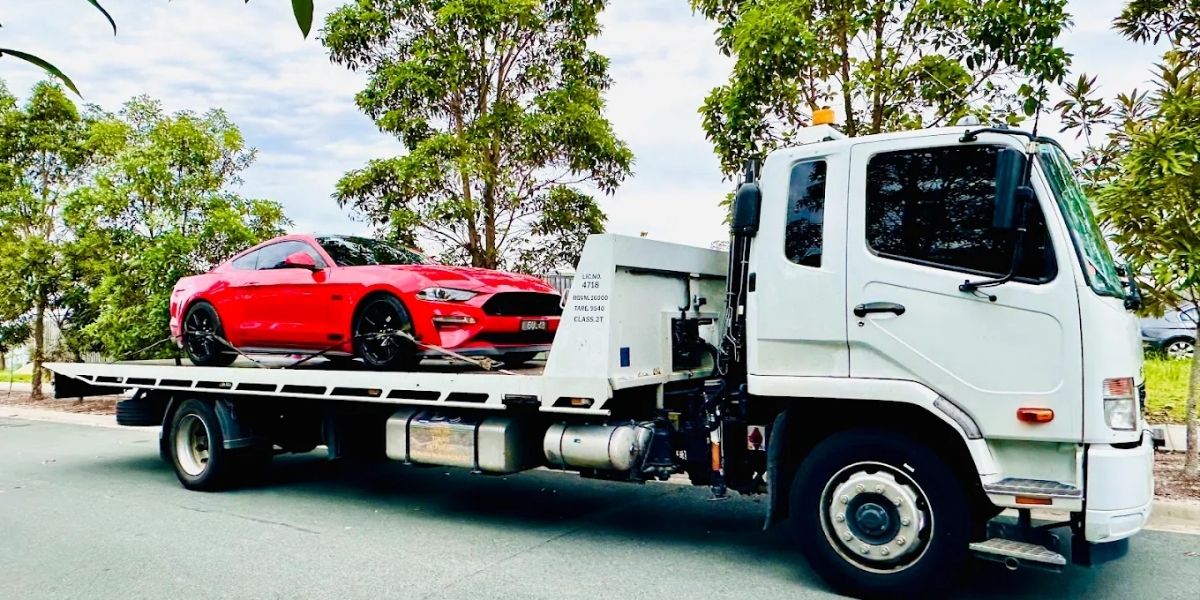
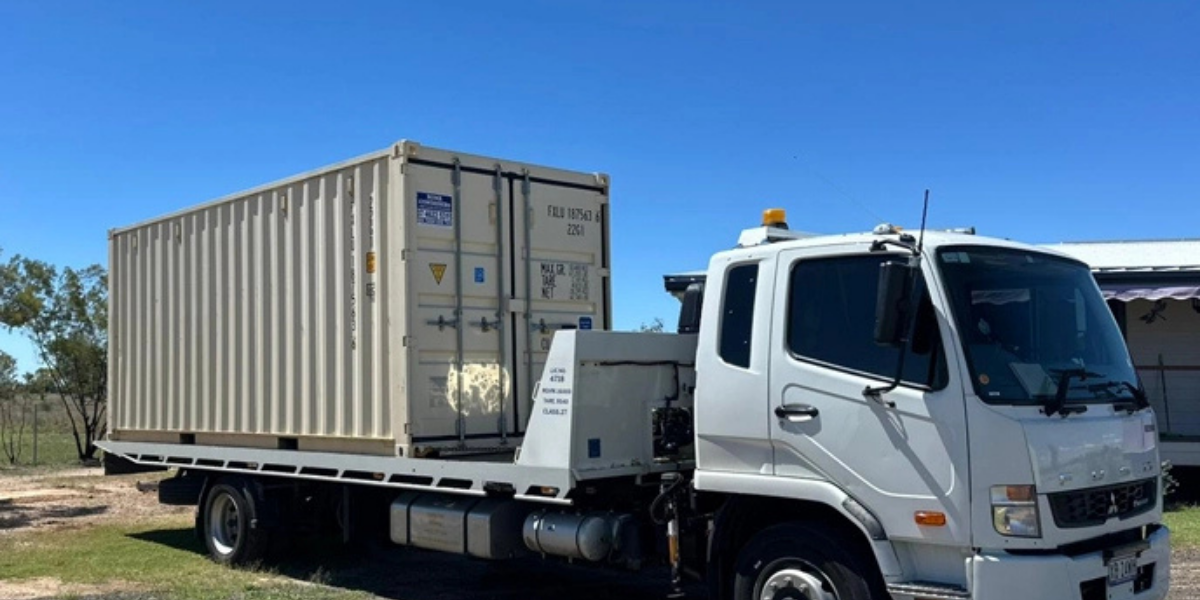
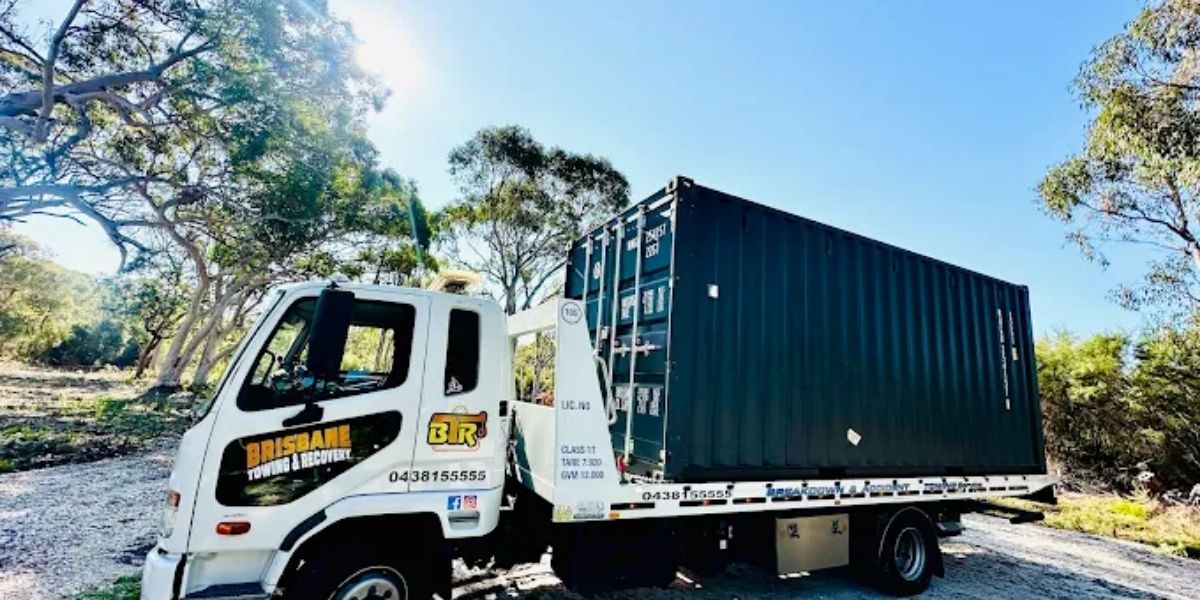
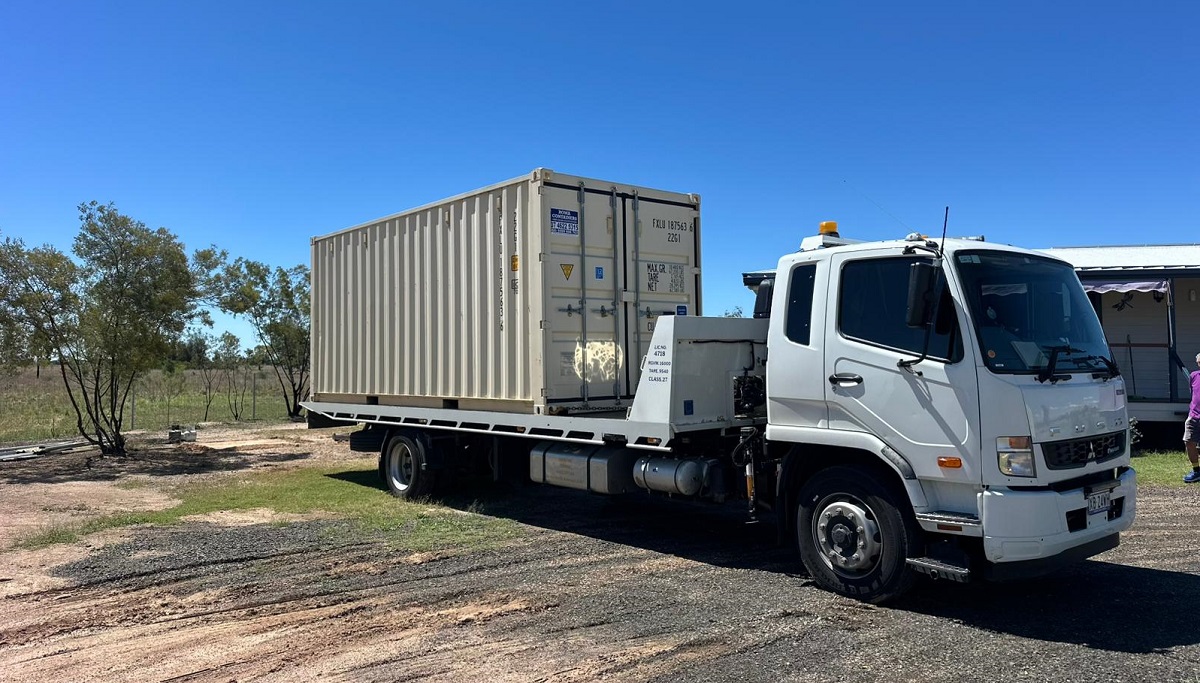
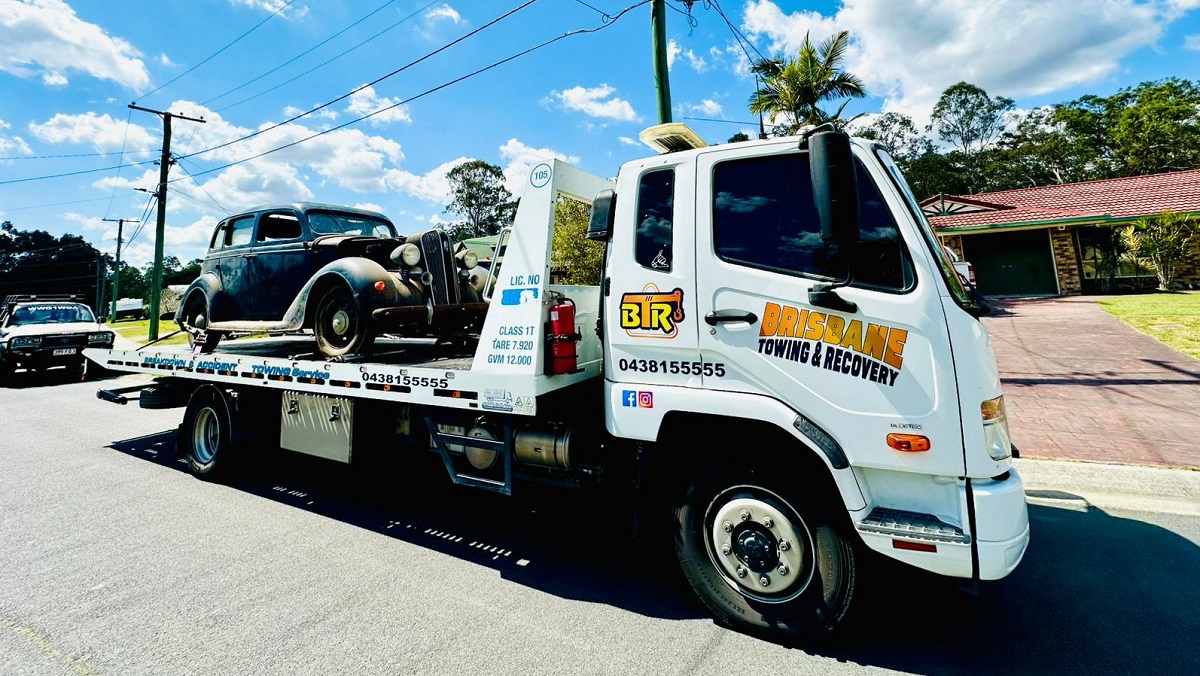
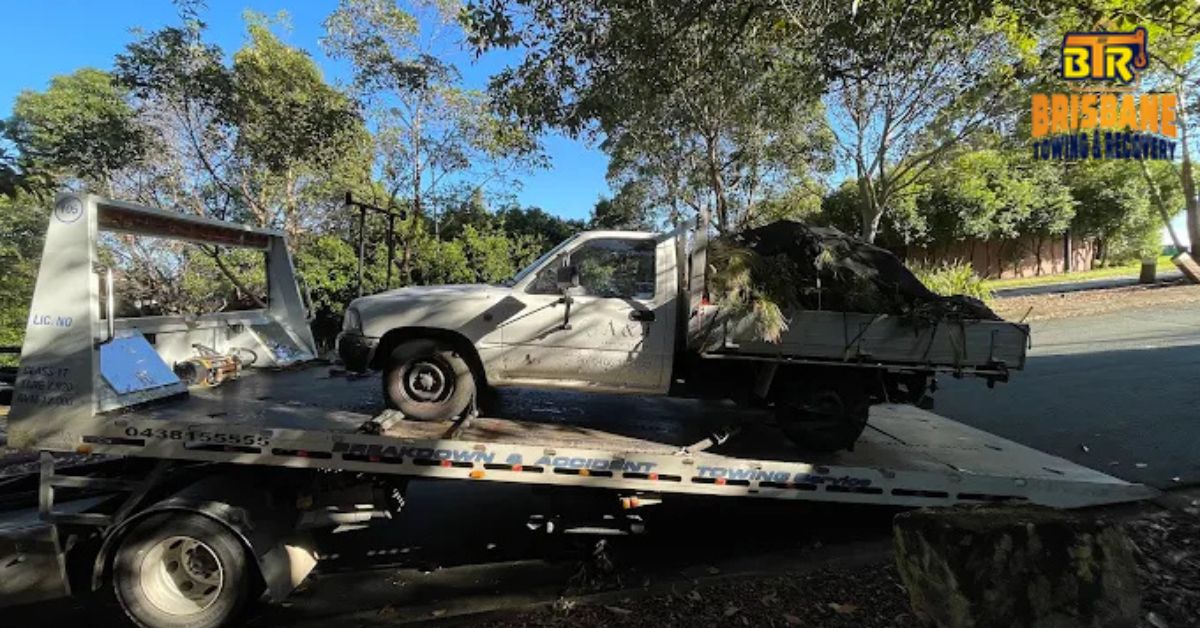
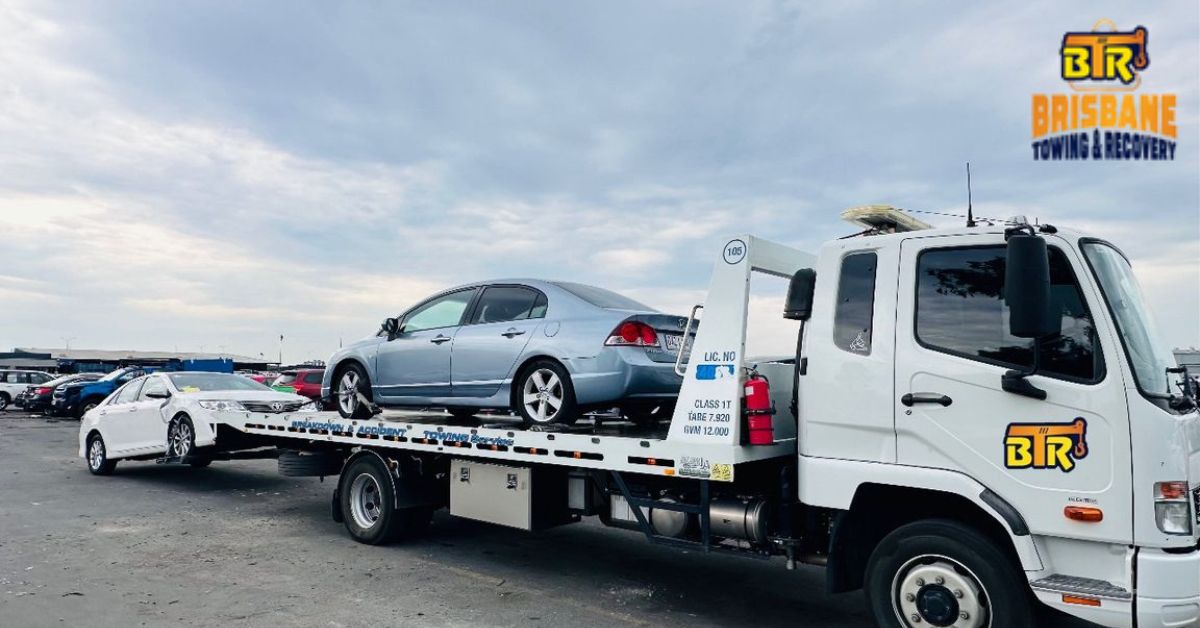
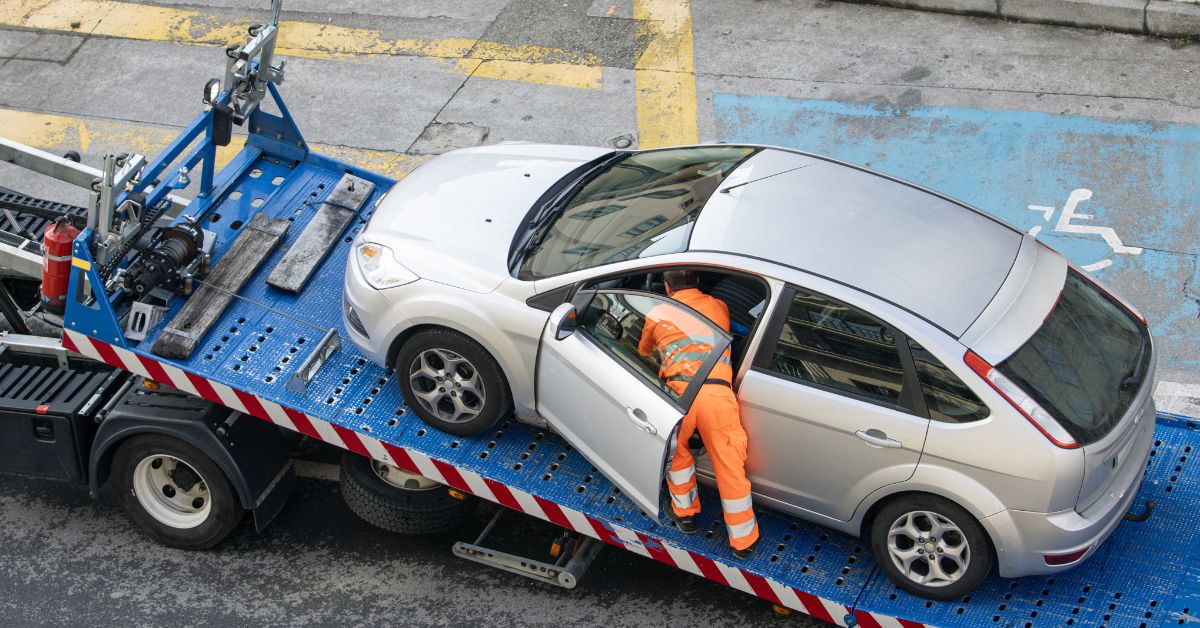
Tilt-tray trucks angle the tray down to ground level, then winch the container aboard. This method suits 20ft containers particularly well, since the shorter length makes winching straightforward. For 40ft containers, tilt-tray transport is still possible but requires a longer tray and a truck rated for the extra length and weight. This is the same style of setup we rely on for car towing services in Brisbane, just scaled up for commercial loads.
3. Flatbed Trailers
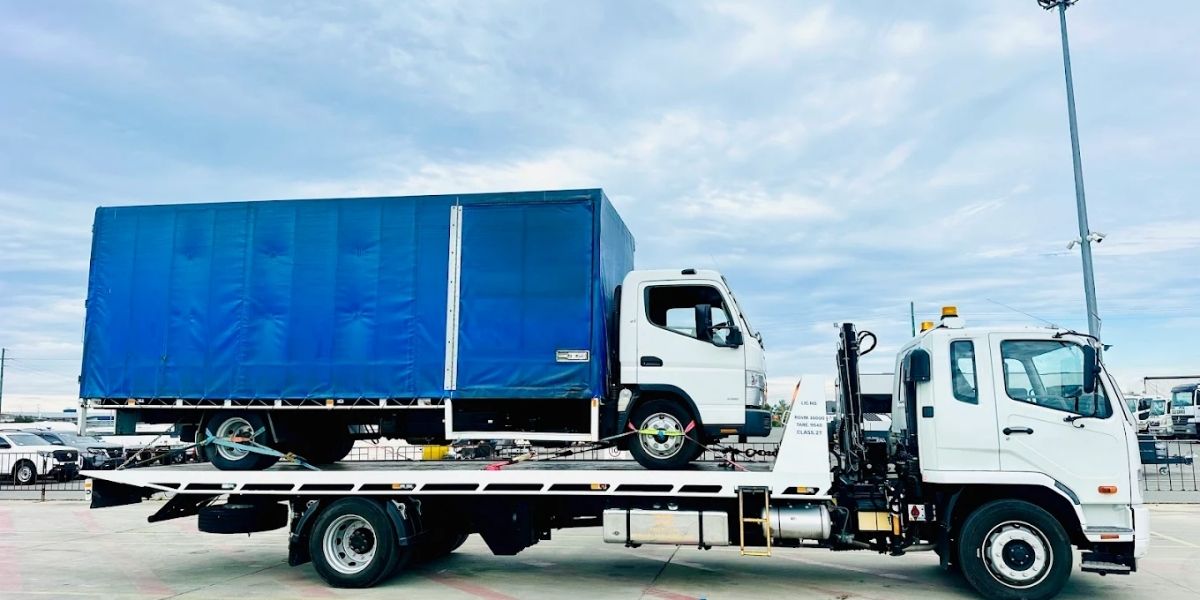
Flatbeds are the standard choice for moving containers that are already loaded onto a truck at a depot or site with crane access. They don't self-load, so you'll need a crane or forklift at both the pickup and drop-off points. This makes flatbeds a good fit for commercial sites but less practical for residential deliveries without loading equipment on hand.
Weight, Length, and Access Differences That Affect Equipment Choice
Container size isn't just a number on a spec sheet — it directly determines what truck can safely and legally do the job.
4. Weight Differences Between 20ft and 40ft Containers
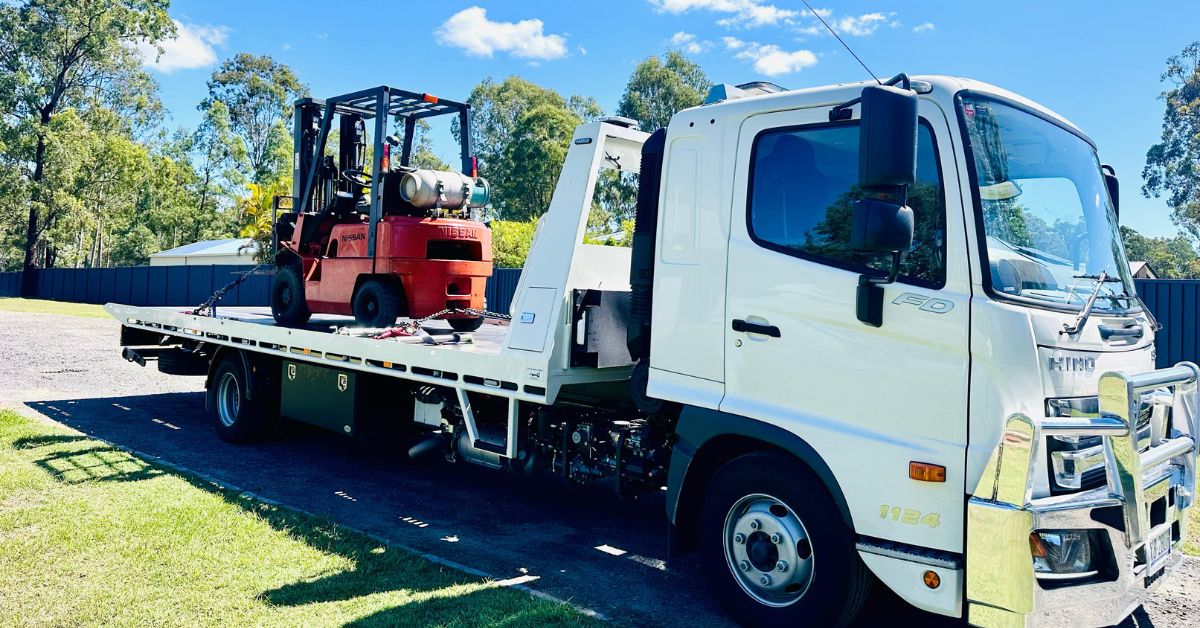
An empty 20ft container typically weighs around 2.3 tonnes, while an empty 40ft container weighs closer to 3.8 tonnes. Once containers are loaded with goods, machinery, or fit-out materials, that gap widens significantly. A 40ft container carrying a full load can easily exceed the towing capacity of a standard trailer, which is why confirming actual weight before booking is essential, not optional. Similar weight considerations apply when we handle machinery towing in Brisbane the truck always has to match the load, not the other way around.
5. Length and Turning Considerations
A 40ft container is exactly twice the length of a 20ft one, and that extra length changes how a truck handles corners, driveways, and tight streets. Suburban jobs with narrow access points, low-hanging trees, or sharp turns can be far more difficult with a 40ft load. This is often where 20ft containers have a clear practical advantage, even if the 40ft option is more cost-efficient per cubic metre. We see this regularly on jobs across Logan and other tighter residential pockets of Southeast Queensland.
6. Site Access: Crane Lift vs Self-Loading Trucks
If your site has crane access, flatbed transport becomes a viable and often cheaper option. If it doesn't, you'll need a self-loading truck like a side-loader or tilt-tray. Before booking, walk the site and note ground conditions, overhead clearance, and how much room the truck has to reverse or turn. Sharing this detail upfront helps your towing company recommend the right equipment on the first try, rather than sending a truck that can't complete the job — the same due diligence we apply before any 4WD and off-road recovery job on tricky terrain.
Safety, Compliance, and Booking Considerations
Getting the equipment right is only half the job — securing the load and staying compliant matters just as much.
7. Securing the Load for Transport
Regardless of container size, proper securing is non-negotiable. Twist locks, rated chains, and load restraints keep the container fixed to the trailer bed during transit. Larger 40ft containers place more stress on securing points due to their weight, so equipment rated for the specific load class matters more as size increases.
8. Permits for Oversized Loads
Standard 20ft containers usually fall within normal road transport limits. Loaded 40ft containers, particularly on wider or taller trailers, can require oversize permits depending on total dimensions and route. A provider experienced in insurance towing in Brisbane and Queensland transport regulations will flag permit requirements early, rather than leaving you to sort it out after booking.
9. Questions to Ask Before Booking Your Container Move
Before confirming a container transport job, ask your provider:
- Does the truck match my container's size and estimated weight?
- Is the site suitable for self-loading equipment, or will a crane be needed?
- Are permits required for this route and load size?
- What's included in the quote if access conditions change on the day?
A provider who asks you these questions in return, rather than just quoting a flat rate, is usually one that understands the job properly.
10. Why Matching Truck to Container Size Prevents Delays
Sending the wrong truck for the wrong container is one of the most common causes of failed pickups. A tilt-tray truck arriving for a 40ft container on a tight residential street, or a side-loader sent to a soft, uneven yard, can turn a straightforward job into a rescheduled one. Getting the equipment right the first time saves both time and money, and it's exactly why we assess every container towing job in Brisbane individually before sending a truck.
Get the Right Truck for Your Container the First Time
Whether you're moving a 20ft container across town or a fully loaded 40ft unit across Southeast Queensland, the right equipment makes all the difference. Brisbane Towing and Recovery matches every job with the correct trailer setup, trained operators, and permit support where needed all with transparent pricing starting from $99.
Call Brisbane Towing and Recovery now on 0438 155 555 for a fast, accurate quote on your container move.
Related Posts:
Related Blogs




11 Feb 2026
5 4WD Trails and Tracks in Brisbane Region


15 Jan 2026
What Are the Signs Your Vehicle Needs Towing?
12 Jan 2026
Winter Towing Guide: 12 Tips to Get Season Ready

31 Dec 2025
Vehicles That Can Be Flat Towed: Complete List
26 Dec 2025
Boat Hauling in Brisbane: 8 Things to Avoid
12 Dec 2025
12 Common Breakdown Spots in Brisbane
14 Nov 2025
10 Ways Flatbed Tow Trucks Protect Your Vehicle
14 Nov 2025
Camper Towing: 15 Things to Keep in Mind


12 Nov 2025
10 Car Towing Tips to Avoid Accidents in 2025
12 Nov 2025
Types of Tow Trucks: Everything You Need to Know
12 Nov 2025
Tow Truck Safety Features You Must Know About

11 Nov 2025