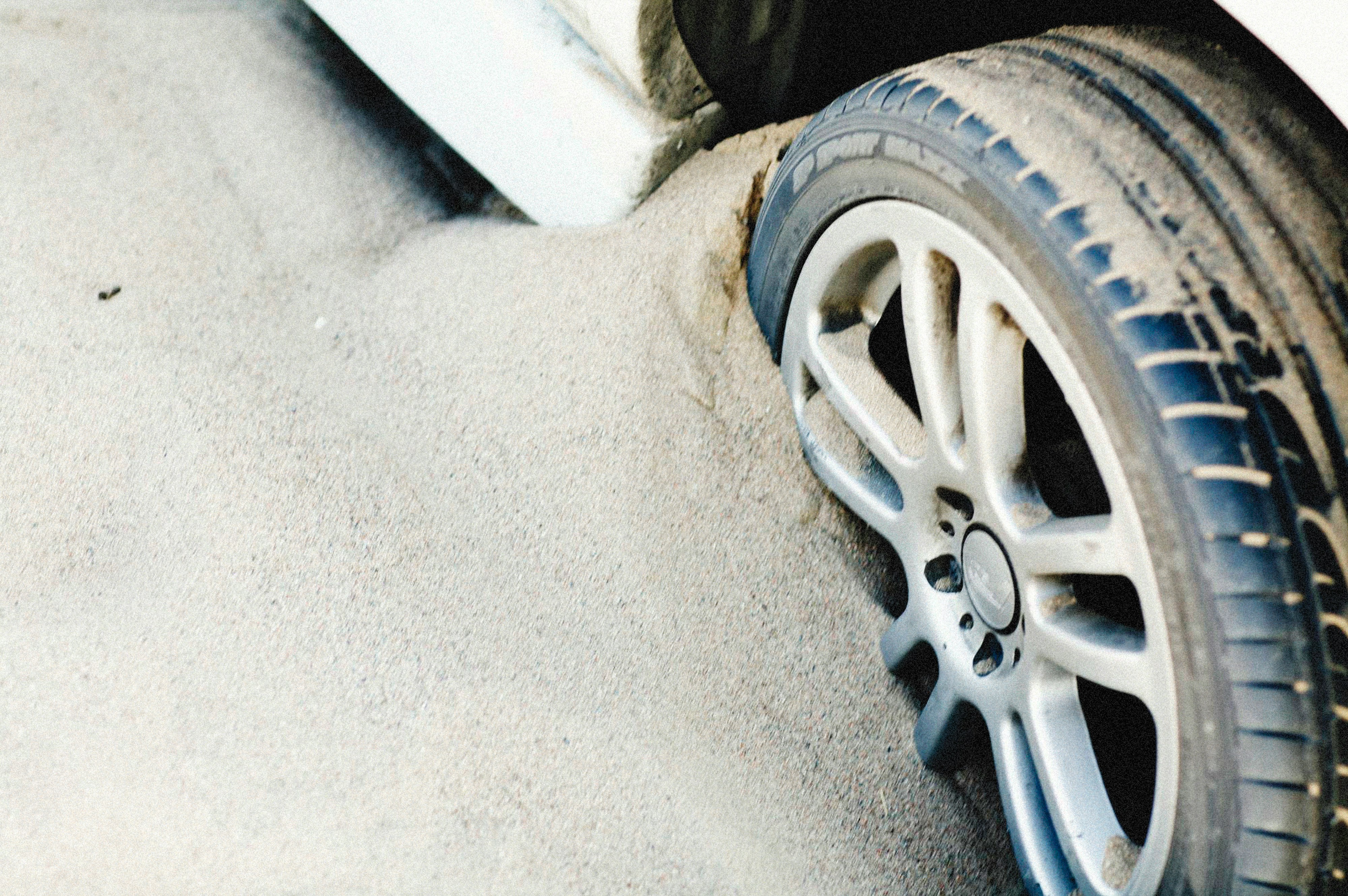
Sand Recovery Tips for Moreton Island & Bribie Island 4WDing
Driving on the sandy beaches of Moreton Island and Bribie Island is an adventure that every 4WD enthusiast should experience at least once. From cruising along pristine coastlines to exploring rugged inland tracks, these iconic Queensland destinations offer the perfect blend of excitement and natural beauty. But as thrilling as sand driving can be, it also comes with its challenges.
Many drivers assume that owning a capable 4WD is all they need to conquer sandy terrain. Unfortunately, that's not always the case. Sand driving requires the right techniques, proper vehicle preparation, and essential recovery equipment. Even experienced off-roaders can get bogged if they ignore tide conditions, drive with incorrect tyre pressures, or attempt unsafe recovery methods.
But don't worry—getting stuck in the sand doesn't have to ruin your adventure. With the right knowledge and a few simple precautions, you can significantly reduce the risk of becoming bogged and recover your vehicle safely if it happens. In this guide, Brisbane Towing & Recovery, a trusted provider of 4WD recovery and tow truck services in Brisbane, shares essential sand recovery tips for Moreton Island and Bribie Island to help you enjoy your off-road adventure with confidence. Read on!
Lower Tyre Pressure
One of the most effective ways to improve your vehicle's performance on soft sand is by reducing your tyre pressure. Lower pressure increases the tyre's contact area with the sand, allowing the vehicle to "float" instead of digging in. Many drivers make the mistake of entering sandy tracks with highway tyre pressures, which significantly increases the chances of getting bogged.
Why it matters
Lower tyre pressure improves traction, reduces wheel spin, and makes it easier for your vehicle to travel over soft surfaces.
Recommended tyre pressures:
- 20–24 PSI for firm beach sand
- 16–18 PSI for soft sand
- 12–15 PSI for extremely soft conditions (only at low speeds)
Maintain Steady Momentum
Driving on sand requires smooth and controlled momentum rather than excessive speed. Sudden acceleration, hard braking, or sharp steering movements can cause your tires to lose grip and sink deeper into the sand.
Instead, keep your vehicle moving at a steady pace while reading the terrain ahead. If you're approaching a soft section or climbing a dune, gradually build momentum before reaching the obstacle rather than accelerating aggressively at the last moment.
Best practices includes:
- Accelerate gently.
- Maintain a consistent speed.
- Avoid unnecessary stops in soft sand.
- Drive smoothly around corners.
Use the Correct 4WD Settings
Modern four-wheel-drive vehicles are equipped with different drive modes designed for varying terrains. Selecting the appropriate setting before entering sandy tracks makes driving easier and reduces stress on your vehicle.
For most beach driving, 4 High (4H) provides sufficient traction. When tackling steep dunes or recovering a stuck vehicle, 4 Low (4L) delivers greater torque and improved control.
Before driving
- Engage 4WD before reaching soft sand.
- Use 4H for beach driving.
- Switch to 4L for difficult terrain or recovery.
- Activate Sand Mode if your vehicle has one.
Never Spin Wheels When Bogged
One of the biggest mistakes drivers make is pressing harder on the accelerator when the vehicle stops moving. While it may seem like more power will help, spinning the wheels only causes the tyres to dig deeper into the sand.
As soon as you realise the vehicle has lost traction, stop accelerating and assess the situation.
What to do instead?
- Exit the vehicle safely.
- Check how deeply the tires have sunk.
- Reduce tyre pressure slightly if needed.
- Prepare for a proper recovery.
Carry Essential Sand Recovery Equipment
Even experienced off-road drivers occasionally get stuck. Having the right recovery equipment can save hours of frustration and help you recover your vehicle without waiting for assistance.
- Essential recovery gear
- Recovery tracks (MaxTrax or similar)
- Long-handled shovel
- Rated recovery straps
- Soft shackles
- Tyre deflator
- Portable air compressor
- Gloves
- Snatch strap (only if you know how to use it)
Why is it important?
Recovery equipment allows you to perform safe self-recoveries and reduces the need for professional towing services.
Dig Before Attempting Recovery
Many people immediately attempt to drive out after becoming bogged, but removing sand first greatly improves your chances of success. Digging around the tyres and beneath the chassis reduces resistance and allows the tyres to regain traction.
Recovery steps includes:
- Clear sand from in front of all four tyres.
- Remove sand trapped underneath the vehicle.
- Create gentle ramps in front of each tyre.
- Position recovery boards firmly under the drive wheels.
Use Recovery Tracks Correctly
Recovery tracks are one of the safest and easiest ways to recover a vehicle from soft sand. However, they must be used correctly to be effective. Insert the recovery boards as far underneath the tyres as possible and drive forward slowly without excessive acceleration.
Tips for using recovery tracks
- Place them firmly against the tyre tread.
- Apply gentle throttle.
- Maintain slow, steady movement.
- Avoid spinning the tires on the boards.
Always Check Tide Times
Beach driving conditions change throughout the day, making tide planning an essential part of every trip. Driving close to high tide leaves less firm sand available and increases the likelihood of becoming stuck. Rising tides can also trap vehicles against dunes or expose them to damaging saltwater.
Before your trip:
- Check local tide charts.
- Travel during low tide whenever possible.
- Avoid parking close to the water.
- Leave enough time to return before the tide rises.
Travel with Another 4WD
Although solo trips can be enjoyable, travelling with another capable 4WD significantly improves safety. Another vehicle can assist with recoveries, provide spare equipment, or help in the event of a mechanical breakdown.
Benefits of travelling in a group:
- Faster vehicle recovery
- Shared recovery equipment
- Improved communication
- Greater safety in remote locations
Call a Professional Recovery Service
Sometimes, the safest decision is to seek professional assistance. Repeated recovery attempts can damage your vehicle, recovery points, or drivetrain. Professional recovery operators have specialised equipment and experience to recover vehicles safely, even in difficult conditions.
Call for professional recovery:
- Your vehicle is sitting on its chassis.
- Water is approaching due to rising tides.
- Recovery points are damaged.
- Mechanical problems are preventing movement.
- You're unsure how to perform a safe recovery.
Sand Recovery for Moreton Island: Endnotes
Moreton Island and Bribie Island offer some of Queensland's most spectacular 4WD experiences, but successful sand driving requires preparation, patience, and the right techniques. By following these sand recovery tips, you'll not only protect your vehicle but also enhance your confidence behind the wheel.
If you need reliable assistance in sand recovery across Brisbane and surrounding areas, working with an experienced towing provider can simplify the process and give you confidence that your car is safely removed.
Call on 0438 155 555 for fast, affordable car towing in Brisbane and surrounding suburbs.
We serve 25+ Brisbane locations, including Yatala, Acacia Ridge, Sunnybank Hills, Gold Coast, Ipswich, Parkinson, North Brisbane, Eagle Farm, and Logan.
Also, check out our most popular services:
Light truck towing in Brisbane