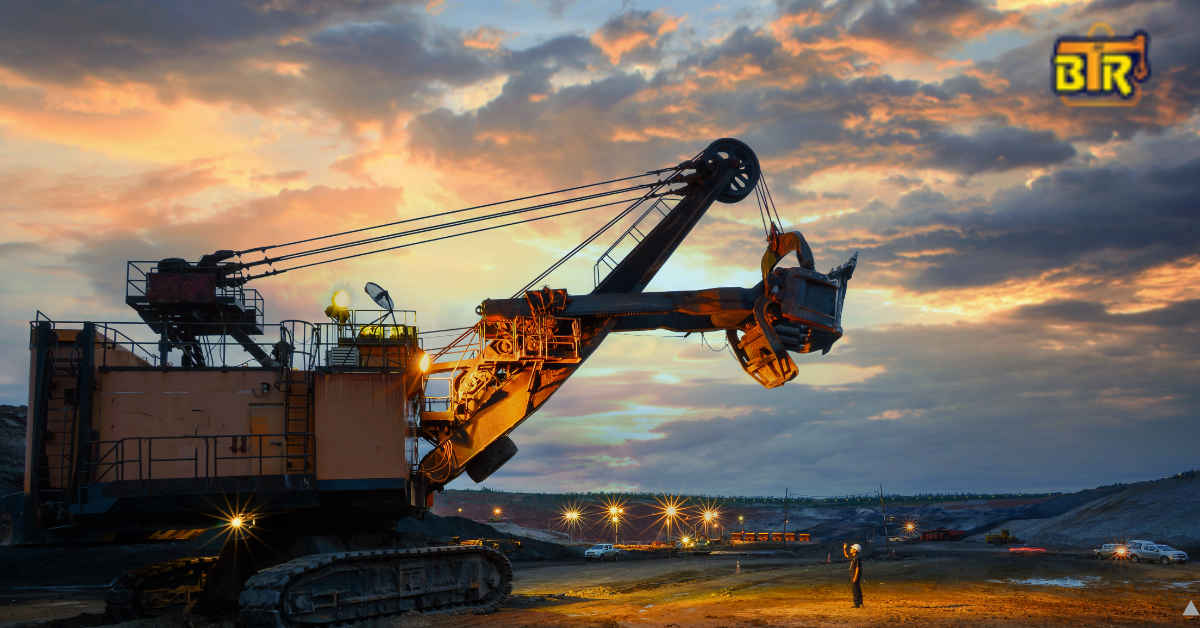
Mining Equipment Transport in Queensland Key Safety and Logistics Considerations
Transporting mining equipment from one site to another in Queensland - sounds simple, no? That’s until you’re actually responsible for doing it. A lot of people plan their moves poorly. Result? Damaged machinery, delayed mining operations, permit issues, and serious safety risks. When the equipment involved is worth hundreds of thousands of dollars, there is very little room for error.
You need to plan carefully and get specialised handling to avoid issues before the journey even begins. Over the past decade, Brisbane Towing and Recovery has worked with companies across Southeast Queensland that need their machinery towed safely and efficiently.
In this blog, we will tell you about key safety and logistics considerations that matter most when transporting mining equipment. We will also explain how choosing us can make the entire process smoother.
What Should You Consider Before Moving Mining Equipment?
Mining machinery is not like towing a regular vehicle. The size, weight, and value involved mean every stage of the move needs proper planning. Here are the considerations that matter most.
1. Know the Exact Weight and Dimensions
Before any mining equipment transport job begins, the transporter needs accurate weight and dimension figures. Many mining machines exceed standard road limits, which means oversize or overmass permits may be required under Queensland transport regulations.
Getting this wrong is not just a paperwork issue. Underestimating weight can lead to trailer overload, tyre blowouts, or worse, structural damage to the equipment itself. Always confirm specifications with the equipment manufacturer or site engineer before booking transport.
2. Choose the Right Towing and Trailer Setup
Not every truck or trailer is built to carry mining machinery. Excavators, loaders, and drilling equipment need low loaders, float trailers, or heavy-duty flatbeds, depending on their shape and centre of gravity.
A reliable towing provider will assess the equipment type and recommend the correct setup, rather than forcing a one-size-fits-all approach. This is the same principle we apply across our container towing services in Brisbane, where load type always determines the equipment used.
3. Plan the Route Carefully
Queensland mining regions often involve a mix of highways, rural roads, and unsealed tracks. Route planning needs to account for:
- Bridge weight limits
- Low clearances and overhead obstructions
- Road conditions during the wet season
- Council or state permit requirements for oversized loads
Skipping this step can lead to delays, fines, or being forced to backtrack with an oversized load, which is far more costly than planning properly from the start.
4. Secure the Load Properly
Mining equipment often has moving parts, hydraulic arms, or loose attachments that need to be locked down before transport. Improper load restraint is one of the leading causes of transport incidents involving heavy machinery.
Chains, rated tie-downs, and load binders rated for the equipment's weight class should always be used. If you are unsure whether your equipment is secured correctly, a professional towing and recovery team can inspect and adjust the setup before the truck leaves the site.
5. Factor in Pilot Vehicles and Traffic Control
For genuinely oversized mining equipment, pilot vehicles may be a legal requirement, not just a safety nicety. These vehicles help manage traffic, warn other road users, and guide the load through tight spots such as roundabouts or narrow rural bridges.
Coordinating pilot vehicles with the towing schedule. That way, you can avoid unnecessary downtime and keep the move compliant with Queensland heavy vehicle regulations.
6. Have a Recovery Plan for Breakdowns
Even with the best planning, mechanical issues or road conditions can cause delays mid-transport. Mining sites are often in remote areas, so having a recovery plan in place before the move starts is essential.
This is where working with an experienced 4WD and off-road recovery team makes a real difference. Remote breakdowns need operators who understand unsealed roads, soft ground, and the kind of recovery gear that standard tow trucks simply do not carry.
7. Check Insurance and Liability Coverage
Mining equipment is expensive, and damage during transport can run into the tens of thousands of dollars. Before booking a transport job, confirm what is covered under the transporter's insurance versus your own site insurance.
This is similar to what we always recommend for insurance towing in Brisbane. Clarity upfront avoids disputes later. Especially if equipment is damaged in transit or during loading and unloading.
8. Schedule Around Site Operations
Mining sites run on tight schedules. A transport delay does not just affect the truck, it can hold up an entire crew waiting on equipment. Coordinating pickup and drop-off times with site supervisors ensures the move does not become a bottleneck for ongoing operations.
Experienced towing operators will work around site access windows, shift changes, and safety inductions required for entering active mining areas.
9. Use Operators Familiar with Queensland Regulations
Queensland has specific rules around oversize and overmass loads, including permit categories, escort requirements, and travel time restrictions for certain vehicle classes. A transport provider unfamiliar with these regulations can put your project at risk of fines or stop-work orders.
Working with a local towing company that regularly handles heavy and oversized loads across Southeast Queensland means these regulatory details are already accounted for, rather than discovered halfway through the job.
10. Communicate Clearly Throughout the Move
Finally, communication between the site team, the transport operator, and any pilot vehicles needs to be constant. GPS tracking, regular check-ins, clear point-of-contact arrangements - all these reduce the chances of confusion if something unexpected comes up on the road.
Why Choose Brisbane Towing and Recovery for Mining Equipment Transport?
Moving mining equipment across Queensland takes more than a big enough truck. It takes the right trailers, trained operators, and a team that understands both heavy load logistics and the safety standards that come with it. At Brisbane Towing and Recovery, we bring this experience to every job, whether it is a single excavator move or coordinating transport across multiple mining sites.
We are available 24/7, with transparent pricing starting from $99 and a fleet ready for heavy, oversized, and specialised loads across Brisbane, Logan, and surrounding regions.
Need mining equipment moved safely and on schedule? Call Brisbane Towing and Recovery now on 0438 155 555 for a fast, reliable quote.
Related Posts: