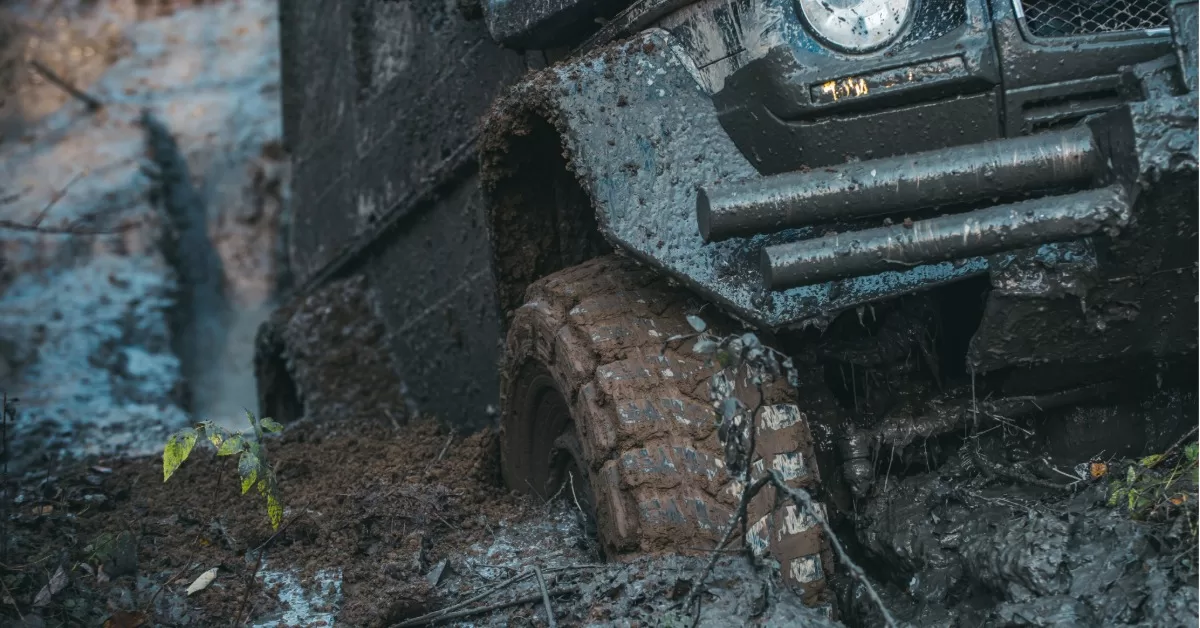
4WD Stuck In Mud: What To Do and Who To Call In Brisbane
Wheels spinning. Mud flying. Ute going nowhere.
If you've got a 4WD stuck on a bush track, a soggy paddock or a creek bank after rain, that sinking feeling is real. It happens to everyone. Weekend campers, seasoned off-roaders, even the bloke with $20,000 of accessories bolted to his rig.
Here's the good news. A 4x4 stuck in mud is a problem with a fix. What you do in the first ten minutes decides whether it's a quick hiccup or a damaged driveline and a very long afternoon.
This blog from Brisbane Towing and Recovery covers what to do straight away, what's worth trying before you call anyone, and who to ring when your 4WD stuck situation needs proper gear.
Why Does a 4WD Get Stuck in Mud So Easily?
Mud doesn't care how big your tyres are. It comes down to grip, weight and water. Wet clay packs into your tread and turns it into slicks. The ground under the surface loses strength as it soaks through. And a heavy, loaded 4WD pushes down harder than a light car, so it sinks faster once the crust gives way.
Brisbane adds its own twist. A summer storm can turn a firm track into a bog in one afternoon, and we've covered what that does to vehicles in our Brisbane storm season guide. Creek crossings, hinterland tracks, Moreton Bay island trails and paddocks out past Ipswich all catch people out.
The usual culprits:
- Tyres still pumped up for the highway
- Wheel spin that digs the vehicle in deeper
- Driving into mud or water without checking the depth
- Being in 2WD, or forgetting to lock hubs or engage diff locks
- Wandering off the firm track onto a soft edge
What To Do Straight Away When Your 4WD Is Stuck
Take a breath first. Panic makes everything worse, and the next three moves matter more than anything that follows.
Stop the wheels spinning
Every rev digs the hole deeper. The moment you feel the vehicle bog down, ease off the accelerator. Spinning tyres polish the mud, build heat and can cook a clutch or diff. Stop and switch off if you need to.
Get out and look
Walk around the vehicle. How deep are the tyres? Is the chassis or a diff sitting on the ground? Is water rising or a slope pulling you sideways? That quick look tells you whether this is a DIY job or a call-someone-now job.
Make it safe
Hazards on. Keep passengers well clear of traffic and away from the vehicle's path. Drop a pin on your phone while you've still got signal, because you'll want it later.
How To Get a 4x4 Stuck in Mud Moving Again
Situation safe and stable? Work through these in order, starting with the lowest-risk option.
Check you're actually in 4WD
Sounds daft, but plenty of people have been stuck with the vehicle in the wrong mode. Confirm 4WD (low range for heavy going), hubs locked if they're manual, and diff locks on if you have them.
Let the tyres down
Lower pressure means a bigger footprint and better grip. Often that alone does it. Go gradually, stay within your tyre manufacturer's guidance, and carry a compressor so you can pump them back up before you hit the bitumen.
Dig and add traction
Clear the mud in front of and behind every wheel, plus around the diffs and chassis. Then lay traction boards in front of the drive wheels. No boards? Branches or flat rocks work in a pinch.
Try a gentle rock
Low range, light throttle. Shift between forward and reverse, letting the vehicle roll back a little each time to build a bit of momentum. Gentle is the key word. A few honest tries with no progress means stop and reassess.
The right kit makes all of this easier. Queensland Parks and Wildlife Service recommends vehicles on Moreton Island carry a tyre pressure gauge, shovel, snatch strap, towrope or traction pads. That's a solid checklist for any 4WD heading off the bitumen around Brisbane.
When Is a 4x4 Stuck in Mud Too Risky for DIY?
This is where we'd ask you to put the strap down. Snatch straps, winches and shackles store a huge amount of energy. If a strap or recovery point fails, that energy goes somewhere fast, and people get hurt.
One rule worth remembering: never use your tow ball as a recovery point. It isn't built for snatch loads and can snap off.
Call a professional when:
- The vehicle is sunk to the chassis, axles or diffs
- Water or a tide is rising
- You don't have rated recovery points or gear
- You're on a slope, creek edge or unstable ground
- A few honest attempts haven't shifted it
- You're towing a van. A bogged rig with a caravan behind is a different beast, and our caravan towing service Brisbane crew handle exactly that
- You're simply not sure
Being unsure is reason enough. Nobody ever regretted calling early.
Who To Call When Your 4WD Is Stuck in Brisbane
The order matters here.
Triple Zero (000) if anyone is in danger
Injuries, rising floodwater, or a vehicle stuck on or near a live road. Emergency first, recovery second.
Your roadside assistance provider
Worth a call, but check your cover before you count on it. Some plans only cover sealed or constructed roads and exclude beaches and bush tracks. RACQ has a handy guide on what to do when your car is bogged. Read your terms before your next trip, not while you're knee-deep in clay.
Your insurer
If the vehicle is damaged, or your policy covers recovery, let your insurer know. Our insurance tow Brisbane service works directly with insurers where approved, so the paperwork stays simple.
A specialist 4WD recovery operator
For most bogged vehicles, this is the call that actually gets you out. You want someone with the right gear and the experience to use it safely. Brisbane Towing and Recovery runs 24/7 call-outs across Brisbane and surrounds, and our 4WD towing Brisbane recovery service is built for exactly this situation.
When you ring, have these ready:
- Your location (the dropped pin helps a lot)
- Vehicle type, and whether it's loaded or towing
- How deep it's sunk and what the ground is like
- Whether it's a public track or private property, and any locked gates
- Any damage, fluid leaks or other vehicles involved
What Happens During a Professional 4WD Recovery?
Short version: nobody yanks and hopes. The operator assesses the ground, picks a safe anchor point and uses rated equipment, winching or pulling in a controlled way to spread the load and protect your vehicle. Bystanders get moved clear first.
If the vehicle is damaged or can't be driven out, it goes onto a flatbed. Our breakdown of flatbed vs dolly vs skates explains why that's usually the safest way to move a recovered 4WD.
As for cost, we can't give a fixed price for a bog because no two are alike. It depends on how deep it is, how hard the spot is to reach, what gear is needed and what time you call.
How To Avoid Getting Your 4WD Stuck Again
A little prep goes a long way:
- Walk questionable crossings and soft patches before driving them
- Drop tyre pressures for the terrain, and carry a compressor
- Pack a shovel, traction boards and rated recovery gear
- Skip tracks after heavy rain if you're unsure of them
- Tell someone your route and expected return time
Work utes get stuck too. If your business runs vehicles across building sites or rural jobs, our piece on trade and fleet towing covers how to keep downtime low.
Frequently Asked Questions About a 4WD Stuck in Mud
Should I keep revving if my 4x4 is stuck in mud?
No. Revving digs the vehicle in deeper and can damage your clutch, diffs and tyres. Stop, assess, and try lower-risk fixes first.
Does lowering tyre pressure really help a 4WD stuck in mud?
Yes, often a lot. Lower pressure widens the tyre footprint and improves grip. Stay within your manufacturer's guidance and re-inflate before driving on sealed roads.
Will roadside assistance pull my 4WD out of the mud?
It depends on your plan. Some cover constructed roads only and exclude beaches and bushland, so check your terms.
Can I use my tow ball to pull a 4x4 stuck in mud?
No. A tow ball isn't a recovery point. Use rated recovery points and equipment, or let a professional handle it.
What should I do if my 4WD is stuck near rising water?
Get everyone to safety first and call 000 if there's any danger. Recovery can wait. People can't.
4WD Stuck In Mud: Where This Leaves You
Getting a 4WD stuck is part of owning one. Staying calm, stopping the spin and making a safe call on DIY versus professional help is what turns a bad day into a story you tell at the pub.
If you're bogged right now and it's beyond a shovel and a few traction boards, call Brisbane Towing and Recovery on 0438 155 555. We're on 24/7 across Brisbane and surrounds.