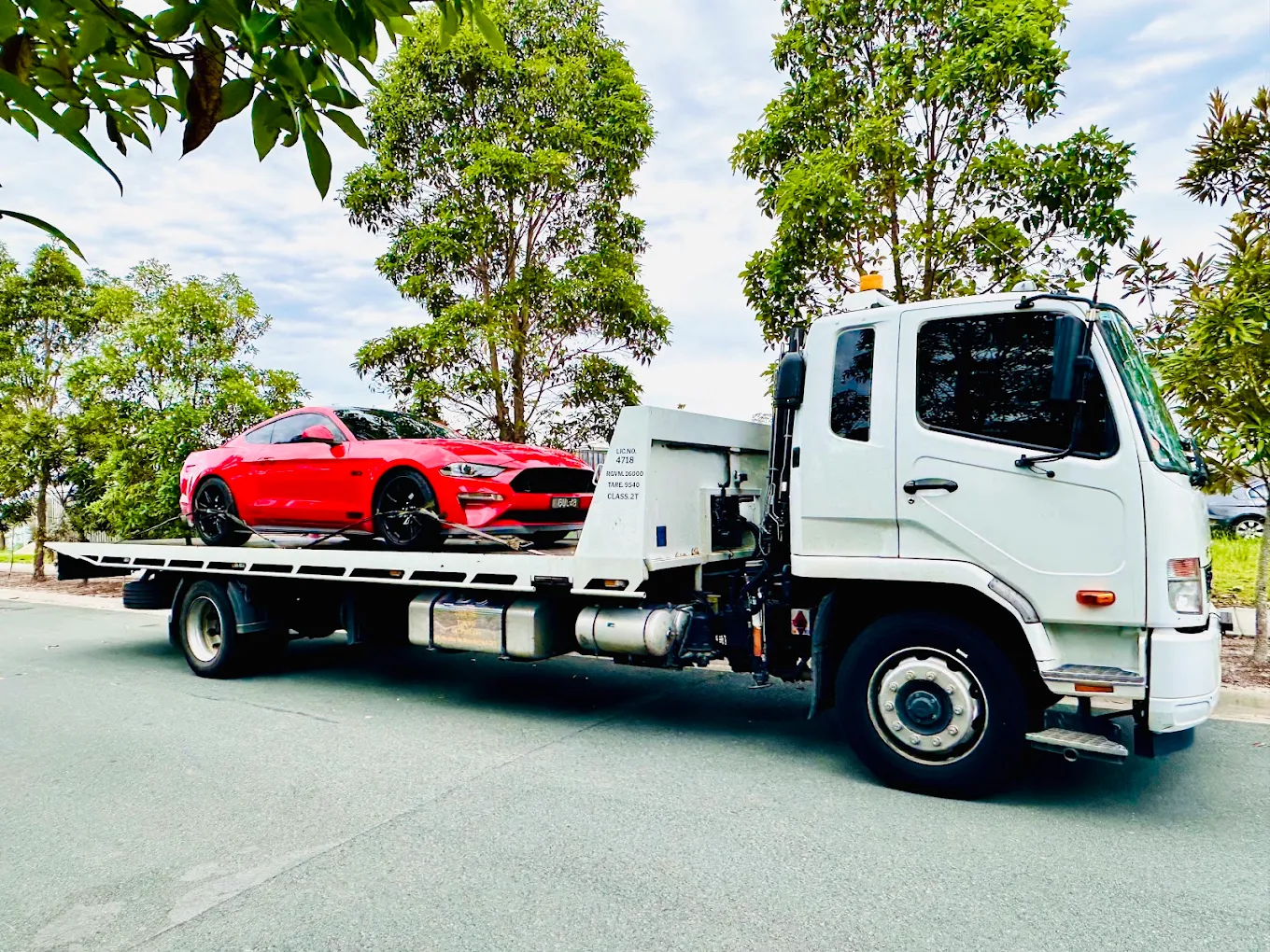
How to Transport a Race Car to Lakeside or Willowbank Raceway from Brisbane
Transporting a race car from Brisbane to a raceway requires more planning than moving an everyday road car, and there are multiple reasons why. This could include the car's low ground clearance, specialised tyres, modified suspension, non-road registration, racing equipment, and overall condition. Race cars are often built for performance rather than everyday road travel, so they need to be handled differently during transportation.
A race car may be heading to Lakeside Raceway for testing, a track day, a race meeting, or to Willowbank Raceway for a drag racing event. In each situation, getting the vehicle there safely is an important part of preparing for the day.
For Brisbane owners and racing enthusiasts, selecting the right transportation method is therefore important. Brisbane Towing and Recovery — a trusted provider of towing services in Brisbane — shares practical tips to help transport race cars safely to Lakeside or Willowbank Raceway. Read on!
Safe Race Car Transport to Lakeside or Willowbank Raceway
When arranging race car transport in Brisbane, here are points to consider to reduce the risk of damage during loading, transportation and unloading.
1. Know Your Race Car Before Transport
Every race car comes with its own transportation requirements.
Before arranging race car towing, consider the vehicle's weight, dimensions, ground clearance, suspension setup, wheels, tyres and overall condition. A fully prepared competition car may require different handling from a modified road car being used for occasional track days.
We also need to know whether the vehicle starts, steers and brakes normally. If the race car is not running, has a mechanical problem, or cannot be driven onto the transport vehicle, this should be explained before the booking.
Knowing these details helps us understand what equipment and loading method may be required.
2. Consider Low Ground Clearance
Many race cars sit considerably lower than standard road vehicles.
Low front splitters, side skirts, racing suspension, exhaust components and other modifications can make loading more difficult. A steep loading angle could cause the underside of the car to scrape or damage delicate components.
Before transporting a low race car, we need to consider the loading angle and available clearance. A suitable ramp and loading system can help make the process safer.
Recommended: Need low car towing in Brisbane? Call 0438 155 555 for a tow quote!
3. Take Pictures Before Transport
Taking photographs before the race car is loaded is good practice.
We recommend taking clear pictures of the front, rear, sides, wheels, tyres, windows and any existing marks or damage. This creates a record of the vehicle's condition before transportation.
Race cars can have specialised bodywork, painted panels, decals, spoilers and other components that need additional care. Having photographs can make it easier to check the vehicle again after it arrives at the raceway.
4. Remove or Secure Loose Racing Equipment
Race cars often travel with additional equipment.
Tools, spare parts, racing equipment, jacks, wheel equipment and other loose items should be removed or properly secured before transportation. Anything left loose inside the vehicle could move during loading or transit.
Special attention should also be given to removable aerodynamic components, mirrors, wings or other parts that may be vulnerable during transport.
If something needs special handling, we need to know about it before the race car is loaded.
5. Use the Correct Loading Equipment
A race car may not always be suitable for a standard loading process.
A very low vehicle may require additional care when moving onto a transport vehicle. Similarly, a race car that does not start may need to be winched into position instead of being driven onto the tray.
The loading equipment should match the condition and design of the vehicle.
If the car cannot start, steer or brake, this information needs to be provided before the pickup. It allows us to plan the loading process accordingly.
6. Secure the Race Car Correctly
Once the race car has been loaded, it needs to be properly secured for the journey.
The restraints should be suitable for the vehicle and positioned correctly to keep the car stable without placing unnecessary pressure on sensitive components. Special wheels, suspension parts, bodywork and other racing components need to be considered.
Incorrectly positioned restraints can result in rubbing or damage during transportation.
Professional race car towing requires the vehicle to remain secure from the time it is loaded until it reaches the raceway.
Read our other blogs as:
Emergency Towing in Brisbane: 10 Things to Keep in Mind
Shipping a Tractor in Australia: How-to Guide, Cost, and More
Oversized Load Towing: Essentials and Expert Tips to Do it Right
Types of Tow Trucks: Everything You Need to Know
7. Plan for the Brisbane Weather
Weather conditions are another consideration when transporting a race car from Brisbane to the track.
Rain, road spray and direct sunlight can affect exposed components, paintwork, decals and interior materials. This can be especially important for race cars with freshly painted bodywork or specialised finishes.
Before arranging race car transport, consider how the vehicle will be protected during the journey. Covering suitable parts of the vehicle and using appropriate transportation equipment can help reduce exposure to road debris and weather conditions.
8. Check the Raceway Requirements
Lakeside Raceway and Willowbank Raceway can have different event arrangements, access requirements and schedules.
Before transporting the vehicle, check the details of the event you are attending. Know where the race car needs to be unloaded and whether there are specific access instructions for trailers or transport vehicles.
This is particularly useful when arriving during a busy race meeting. Having the correct destination information can make the unloading process more straightforward.
If the race car is going to Willowbank for a drag racing event or to Lakeside for a track day or competition, the transport schedule should also allow enough time for unloading and preparation.
9. Plan the Journey Around Your Race Schedule
Race day can already involve a lot of preparation.
Tyres, fuel, tools, safety equipment and mechanical checks all need attention before the car reaches the track. The last thing you want is to be rushing because the vehicle arrived too close to the start of your session.
We recommend planning race car transport around the event schedule and allowing enough time for the vehicle to be unloaded and checked.
If you are travelling from Brisbane to Lakeside Raceway or Willowbank Raceway, consider the pickup time, road conditions, expected travel time and your required arrival time.
Good planning can make the overall race-day experience much easier.
10. Plan the Return Transport
Race car transportation should not only be considered for the trip to the raceway.
After a long testing session or race event, the car may not be in the same condition as when it arrived. A mechanical problem, damaged component or other issue could mean the vehicle cannot be driven home.
Having a return transportation plan can therefore be useful.
If the race car is not road registered or is not suitable for public-road travel, arranging transportation for the return journey also means you do not have to depend on driving the vehicle home after the event.
Lakeside or Willowbank: Why the Destination Matters
The raceway you are travelling to can influence your transportation planning.
Lakeside Raceway is a popular destination for track days, testing and motorsport events, while Willowbank Raceway is well known for drag racing and major motorsport events.
The type of event, location within the venue, unloading requirements and schedule can all affect how the race car should be transported.
This is why there is no single race car transport method that works for every vehicle or every event. The car's condition and the requirements of the journey need to be considered before transportation.
Get Safe Race Car Transport in Brisbane
Transporting a race car to Lakeside or Willowbank Raceway involves more than simply moving a vehicle from Brisbane to the track. When arranging race car transport, you need to consider the vehicle's ground clearance, condition, loading requirements, specialised components and event schedule.
Whether your race car is heading to Lakeside Raceway for a track day or Willowbank Raceway for a competition, careful transportation planning can help reduce unnecessary risks during loading and transit.
Brisbane Towing & Recovery provides towing solutions for different vehicle types and transportation requirements across Brisbane and surrounding areas.
Call 0438 155 555 for a tow quote!
Also, check out the most popular services:
Accident towing services in Brisbane
Container towing services in Brisbane